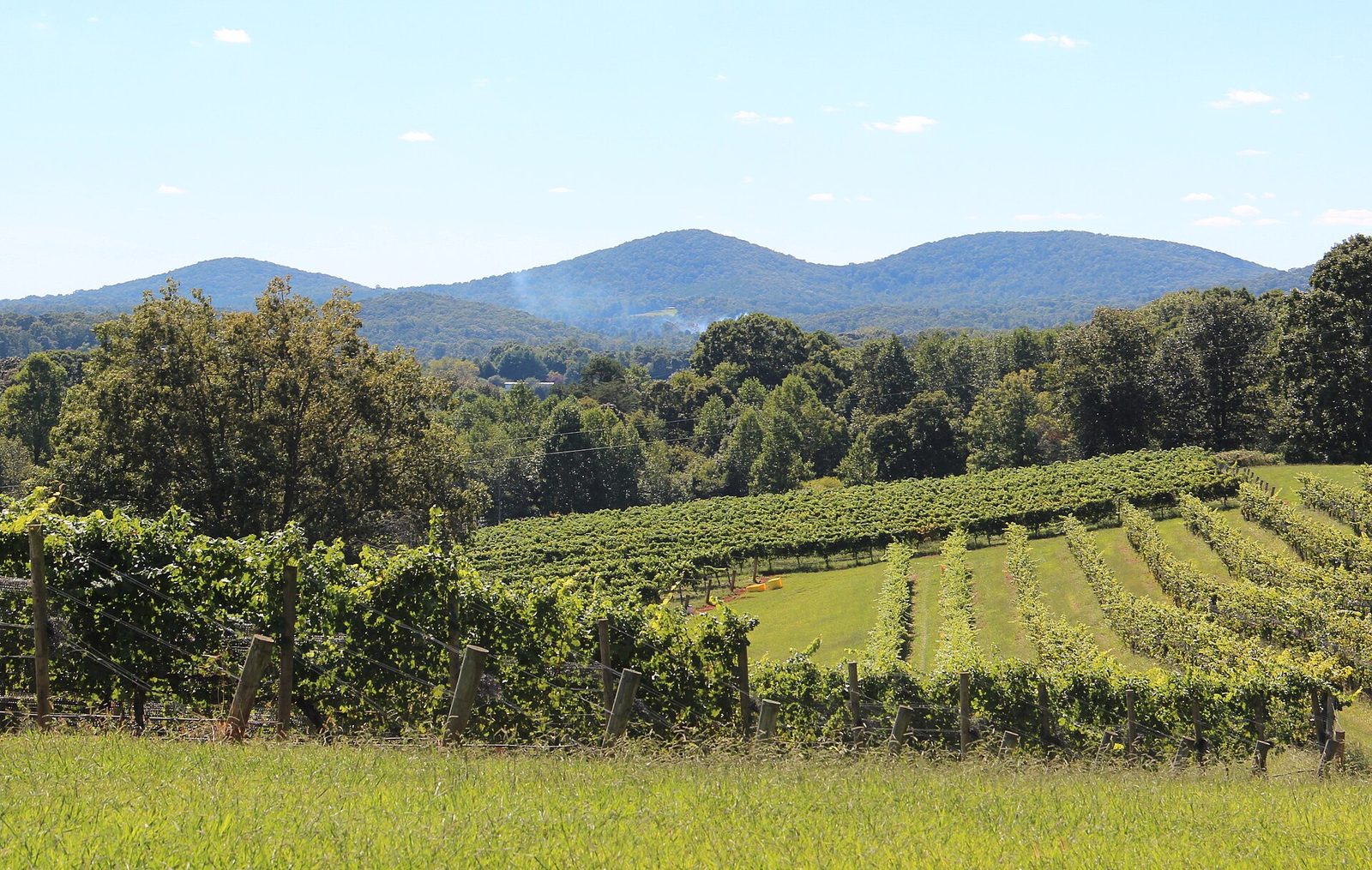
Georgia’s entire designated wine country contains about 110 acres of planted vineyard. That number is the most useful thing anyone can tell you before you plan a trip around it, because it sets expectations correctly: Georgia wineries are a small, pretty, high-elevation industry an hour from a major airport, not a scaled wine region, and the ones that judge them against Napa come away disappointed for entirely avoidable reasons. Judged as what they are — a set of tasting rooms on mountain slopes, within an easy drive of Atlanta, surrounded by apple orchards and working farms — they are excellent. This guide covers both halves of that: the wine clusters and how to do a tasting day properly, and the wider agritourism landscape of apple houses, pick-your-own farms and harvest seasons, including the liability law that explains the sign at every farm gate. Checked September 2026.
One necessary clarification. Searches for this phrase compete with the country of Georgia in the Caucasus, which has an 8,000-year winemaking tradition and is a genuinely great wine destination. This page is not about that. This is the American state — north Georgia, an hour from Atlanta, with a wine industry measured in decades rather than millennia.
The short answer
| If you want… | Go to | Base | When |
|---|---|---|---|
| A wine day from Atlanta | The Dahlonega Plateau | Dahlonega | Any weekend; best Apr–May and Oct |
| Fewer people, more views | Upper Hiwassee Highlands | Blairsville or Young Harris | Sept–Oct |
| Apples rather than wine | Gilmer County | Ellijay or Blue Ridge | Late Aug through Nov |
| Pick-your-own with children | Piedmont farms near Atlanta | Day trip | Strawberries Apr–May; peaches Jun–Jul |
| Agriculture at scale | South Georgia | Vidalia, Fort Valley | Onions late Apr; peaches Jun–Aug |
| A harvest festival | Ellijay or Vidalia | Either | Apples Oct; onions Apr |
Two AVAs, and the honest scale
Georgia has two American Viticultural Areas, both in the mountains, and the published figures are the fastest way to calibrate expectations.
| AVA | Established | Size | Planted | Vineyards | Wineries |
|---|---|---|---|---|---|
| Upper Hiwassee Highlands | 2014 — Georgia’s first | 441,600 acres (690 sq mi), shared with North Carolina | 54 acres | 26 | 9 |
| Dahlonega Plateau | 2018 | 85,120 acres (133 sq mi), in Lumpkin and White counties | 110 acres | 9 | 7 |
Read those two “planted” columns again. The Dahlonega Plateau AVA, Georgia’s flagship wine region, has 110 acres of vineyard across nine vineyards. A single mid-sized California estate can exceed that on its own. The Upper Hiwassee Highlands AVA is five times the geographic area and has half the planted acreage, spread across two states.
This is not a criticism, it is a specification. Georgia’s mountain wine country works because it is 200 miles further north in feel than its latitude suggests — elevation on the Dahlonega Plateau moderates the summer heat enough for vinifera grapes to work at all — and because it sits an hour from a city of six million people. The appeal is the setting, the short drive and the views from the tasting-room decks. It is not depth of production, and any guide implying otherwise is selling you something.
What grows here, and why
The interesting question about Georgia wine is not whether it is good but how it exists at all. Most of this state is too hot and too humid for European wine grapes: the summer heat below the mountains pushes sugar up faster than the fruit develops, and the humidity brings fungal disease pressure that European varieties have no defense against.
The mountains solve part of that problem with elevation. The Dahlonega Plateau sits high enough, and cools enough at night, to give grapes the diurnal temperature swing they need — the distinguishing feature the federal designation rests on. It is not a cold climate by wine standards, but it is cool enough, in a state where almost nowhere else is.
In the mountains, that means French vinifera varieties: Cabernet Franc in particular has done well here, along with Chardonnay, Viognier and Merlot, and several producers work with Mediterranean and Iberian varieties that handle heat better. The wines tend to be lighter and more aromatic than a visitor expecting big southern reds might anticipate, which is a point in their favor rather than against.
Below the mountains, the grape is muscadine — a native southeastern species, thick-skinned, disease-resistant and completely different from a European grape in flavor. Muscadine wine is usually sweet, sometimes very sweet, and the bronze cultivar known as scuppernong is the one most often served. It is a genuine regional tradition and a genuinely acquired taste. Try it once at a Piedmont or south Georgia tasting room, understand that it is not attempting to be Chardonnay, and judge it on its own terms.
One practical consequence of all this: ask what is estate-grown. With 110 planted acres across the Dahlonega Plateau and 54 across the Upper Hiwassee Highlands, several Georgia wineries supplement their own fruit with grapes bought in from elsewhere. That is normal, legal and widespread in small wine regions, and it is also worth knowing, because the estate wines are what make the trip specific to where you are standing.
Planning a tasting day
Six practical points that decide whether a Georgia wine day works.
- Reserve. Most north Georgia tasting rooms now take reservations, and on an October Saturday the ones that do not will have a queue. Book the first stop at least, so the day has a spine.
- Two wineries, not four. This is the single most useful piece of advice on the page. Two tastings with lunch between them is a good day; the third and fourth are where a pleasant afternoon becomes expensive and the driving becomes a problem.
- Expect a fee, and do not expect to find it published. Tasting fees in the Dahlonega area are not listed in a form that can be verified in advance — they vary by flight, by day and by whether food is included — so no figures appear here. Call ahead if the budget matters. Some fees are waived with a bottle purchase; ask when you book.
- Eat there or plan for it. Several of the larger operations have full restaurants and some have nothing at all. The ones with kitchens are worth building the day around, because the alternative is driving between tastings to find lunch.
- One free option worth knowing: Montaluce runs free tours daily, weekdays at 2 p.m. and weekends at noon, with guided wine hikes through the property bookable at weekends for an additional charge. A tour costs nothing and does not require you to taste.
- Arrange the driver before you leave. Not at the second tasting room. More on this below.
The wine clusters
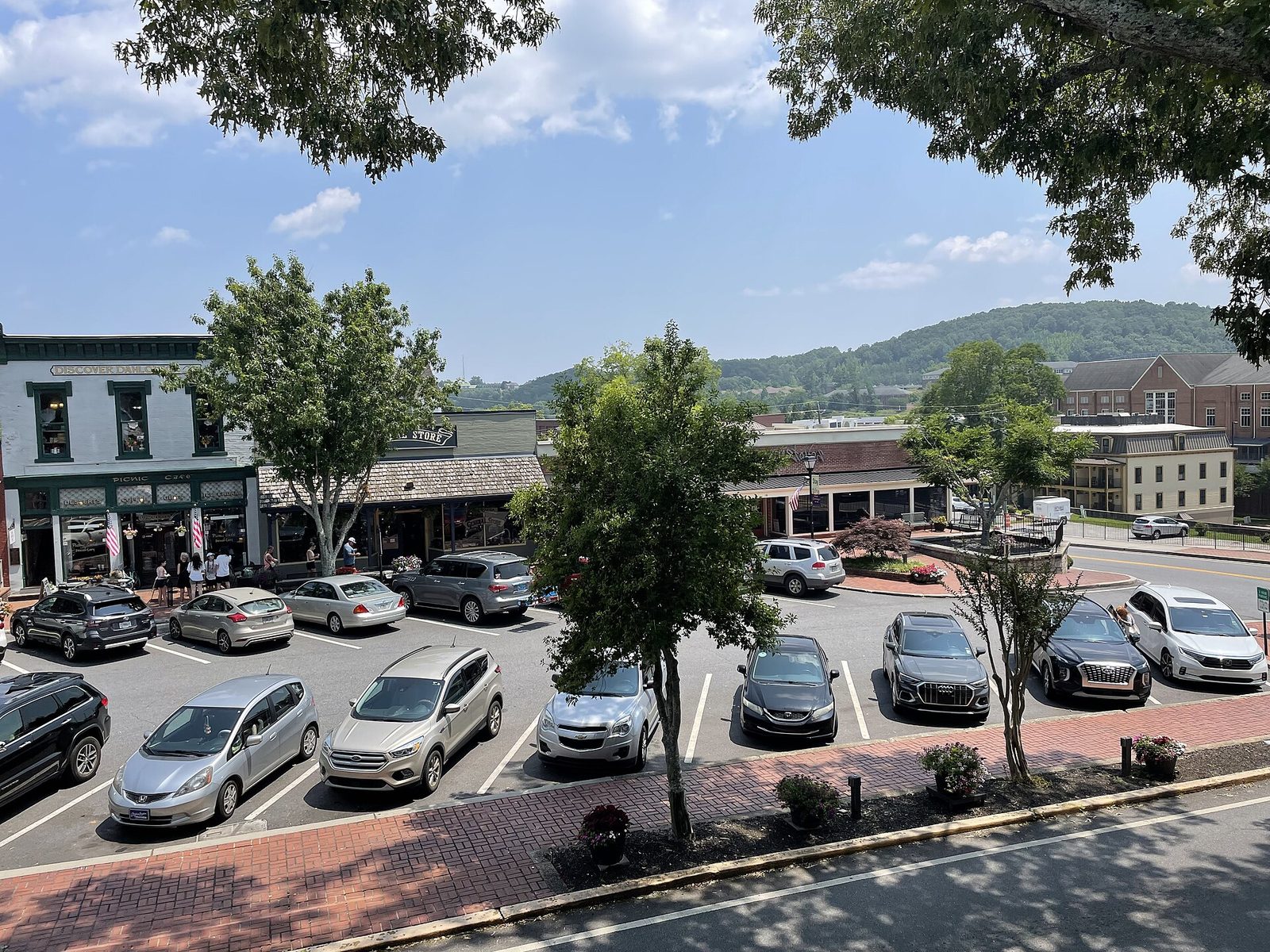
The Dahlonega Plateau
The main event, and the easiest. Dahlonega is about an hour north of Atlanta on GA 400, it has a genuine brick square with restaurants and inns, and the vineyards are on the slopes within fifteen or twenty minutes of it. Seven wineries in the AVA, several with restaurants and event space, and views over the southern end of the Blue Ridge from most of the decks.
This cluster suits a first visit, a group with mixed enthusiasm, and anyone who wants to combine wine with a town rather than drive between rural properties. It is also the busiest — October Saturdays in particular. Go midweek if you can.
Upper Hiwassee Highlands
Further north around Blairsville, Young Harris and Hiawassee, at higher elevation and with far fewer visitors. The AVA crosses into North Carolina, so a day here can reasonably include both sides of the line. Fewer facilities, longer drives between properties, better views and considerably more quiet.
This is the cluster for a second visit, or for anyone who found Dahlonega crowded. Base in Blairsville or Hiawassee on Lake Chatuge.
Blue Ridge and Ellijay
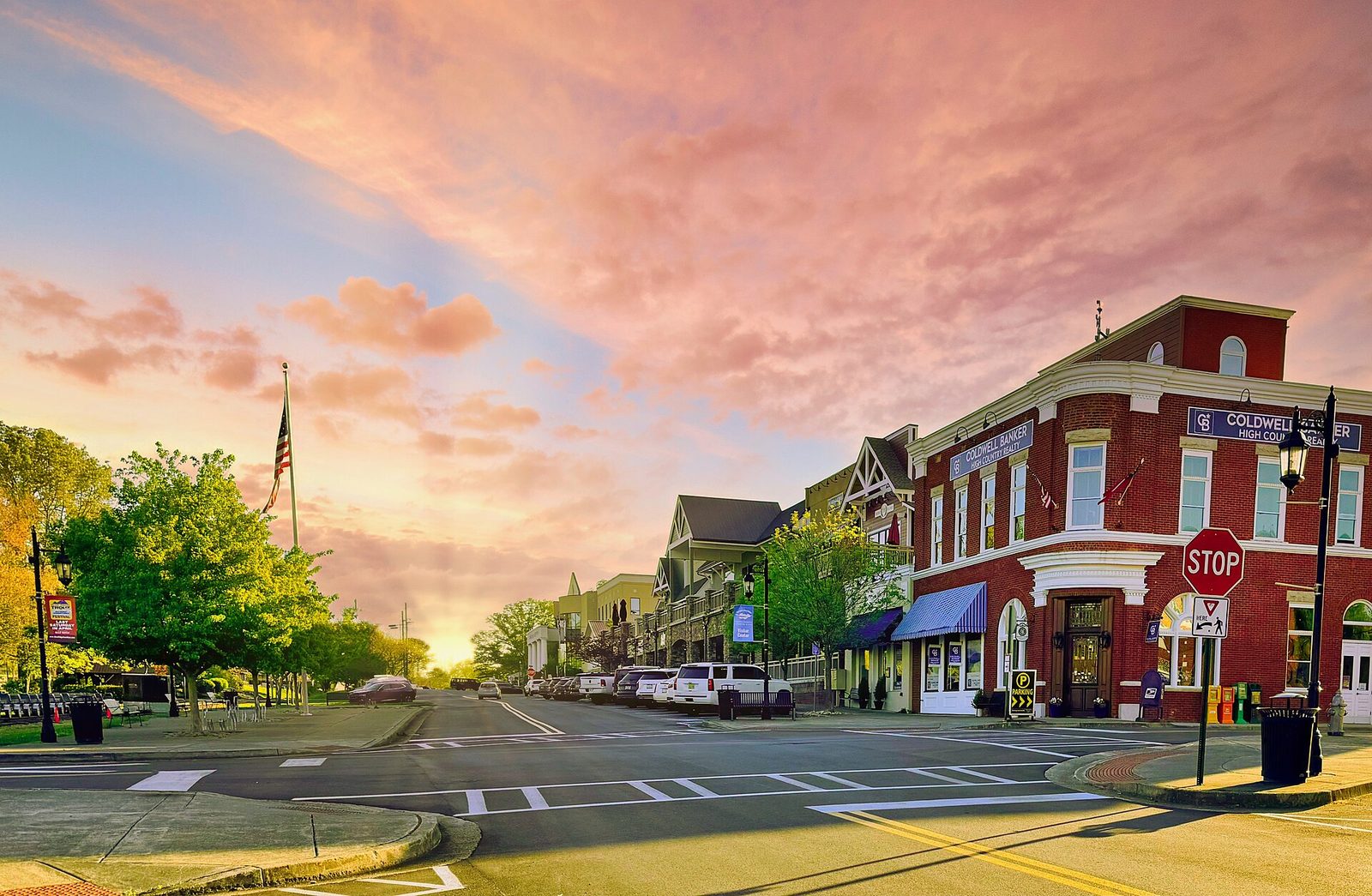
Not in either AVA, and the point of coming here is apples rather than grapes. There are tasting rooms and cideries, and there are dozens of apple houses. Treat Gilmer County as the agritourism destination and Dahlonega as the wine one, and do not expect one to substitute for the other.
Outside the mountains
Scattered. There are vineyards and tasting rooms in the Piedmont and a handful further south, generally working with muscadine and other native or hybrid grapes rather than vinifera, because the summer heat below the mountains makes European varieties difficult. Muscadine wine is sweet and is an acquired taste that a great many Georgians have acquired; it is worth trying once and is not what visitors usually mean by wine.
A closer look at the Dahlonega Plateau
Worth understanding in a little detail, because it is where most visitors will actually go.
The AVA was established on 29 June 2018 by the federal Alcohol and Tobacco Tax and Trade Bureau, making it Georgia’s second designated wine region after Upper Hiwassee Highlands in 2014. It covers 133 square miles — 85,120 acres — across portions of Lumpkin and White counties, which puts Dahlonega at one end and the approaches to Helen at the other. Within that area sit nine vineyards, seven wineries and 110 acres of planted vines.
Geographically it is a plateau between the Piedmont and the higher Blue Ridge, which is exactly the point: high enough to moderate the heat, low enough to avoid the frost risk of the true mountains, and with the slope and drainage that vines need. The terrain is why the tasting rooms have the views they have, and the views are a substantial part of what you are paying for.
Practically, the cluster’s geography works in your favor. Most of the properties sit within fifteen to twenty minutes of Dahlonega’s square, which means a day here involves short drives between stops rather than long ones — unusual for a rural wine region and the main reason this is the easier of the two AVAs to visit. It is also why staying in town and walking to dinner is a genuinely good plan.
Drivers, transport and the thing that goes wrong
North Georgia’s wine country is rural, the roads between properties are two-lane and winding, and there is no public transport of any kind. That combination makes the driver question the most important logistics decision of the day, and it needs deciding before the first tasting rather than after it.
Three workable approaches. A designated driver from within the group, agreed in advance and not negotiated at the second stop — and worth compensating with a nice lunch, because the role is genuinely less fun. A tour operator, of which several run from Atlanta and from Dahlonega, which removes the problem entirely and costs what it costs. Staying in Dahlonega and choosing the two or three properties closest to town, so the driving is short even if it is not zero — this is the underrated option and the reason the square is a good base.
What does not work: rideshare. Coverage in the mountain counties is thin to nonexistent, and a booking that appears in Dahlonega may not appear at a vineyard fifteen minutes out. Do not build a plan on it.
Beyond wine: cider, spirits and beer in farm country
Wine is not the only thing being made in north Georgia, and for some visitors the alternatives are the better day.
- Cider. The logical product of apple country, and Gilmer and Fannin counties have producers working with local fruit. Hard cider in the fall, alongside the sweet cider and fried pies at the apple houses.
- Distilleries. North Georgia’s moonshine history is genuine and is now a legal industry, with distilleries and tasting rooms in Dahlonega and the mountain towns. The product range runs from corn whiskey that acknowledges its origins to more conventional aged spirits.
- Breweries. Georgia’s brewing scene has expanded substantially over the past decade and the mountain towns have their share — Blue Ridge, Dahlonega and Helen among them. Taproom rules have loosened and continue to change, so check current hours rather than assuming.
- Sorghum. Not a drink, but it belongs on this list: cane pressed and boiled to syrup in the fall, sold at mountain stands and at the Blairsville festival, and worth carrying home.
A mixed day — one winery, one distillery, one apple house — is frequently a better use of an afternoon than three tasting rooms, and it solves the palate fatigue that makes the fourth winery pointless.
Agritourism: the farms
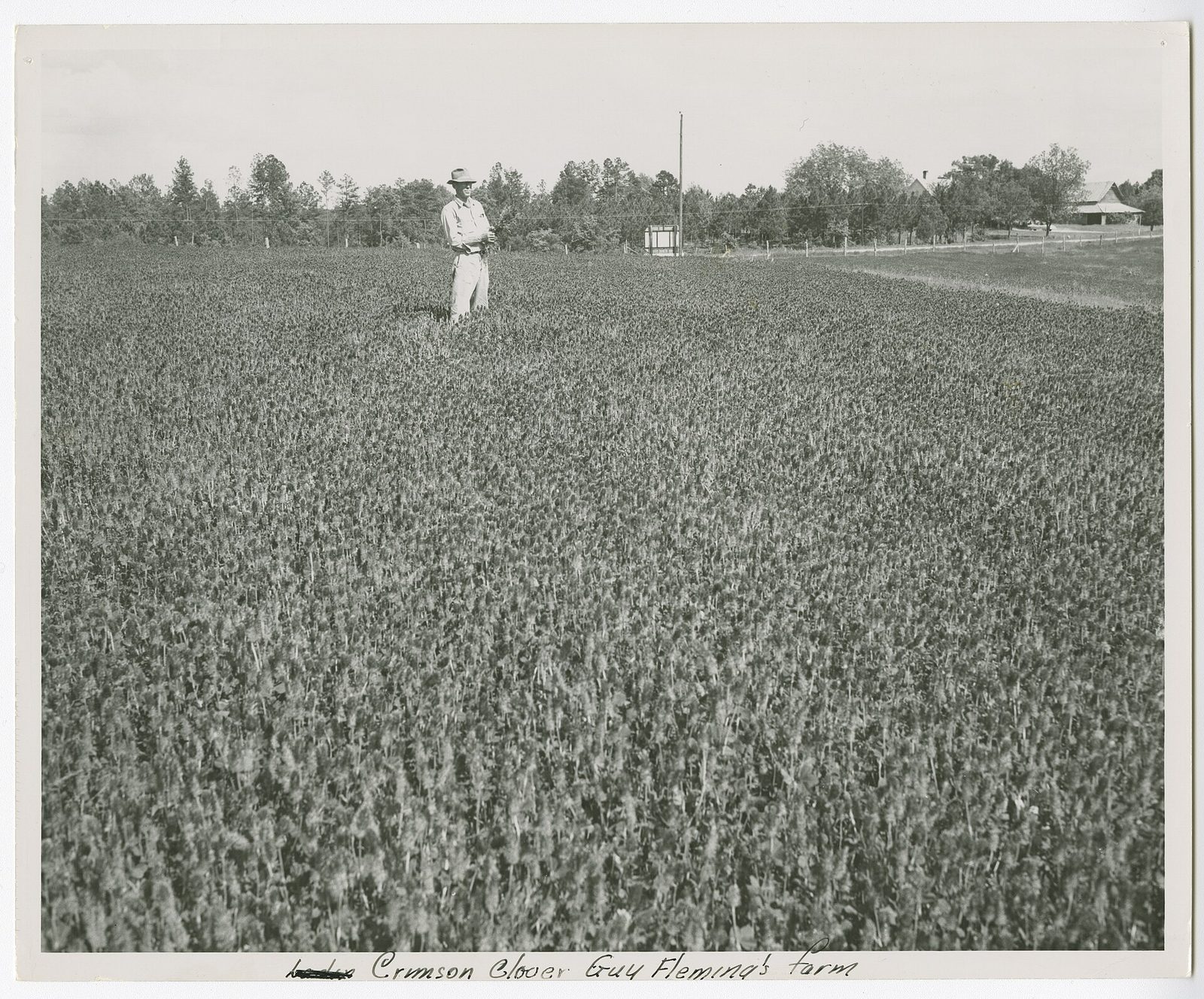
Agritourism is the larger and less glamorous half of this subject, and for most visitors it is the better half — cheaper, more seasonal, and considerably more suited to children.
Apple houses, Gilmer County
The strongest agritourism season in the state. The apple houses along the approach roads to Ellijay sell fruit, cider, fried pies and apple butter from late summer through fall, and several have pick-your-own blocks, petting areas and wagon rides. The Georgia Apple Festival ran its 55th edition over two separate weekends in 2026 — 10–11 and 17–18 October — with more than 250 vendors, which is worth knowing because visitors frequently book the week between the two.
The fried pies are the thing to buy. The traffic on the approach roads on an October weekend is the thing to plan around.
Pick-your-own, near Atlanta
The Piedmont farms within an hour of the city run a straightforward calendar: strawberries in April and May, blueberries and blackberries in early summer, peaches in June and July, pumpkins in October. Most are small, most charge by weight or by container, and most are at their best on a weekday morning rather than a Saturday afternoon.
Fall farm attractions
From late September, a substantial number of Georgia farms convert to corn mazes, pumpkin patches, hayrides and the rest. Quality varies enormously, admission is usually charged per person, and the good ones book timed entry. This is a genuine industry rather than a sideline, and the Georgia Department of Agriculture maintains an agritourism map that is the most reliable starting point.
South Georgia and the working farms
Below the Fall Line the agriculture is at a different scale and is much less oriented toward visitors, which is its own appeal. Roadside stands sell peanuts, melons, pecans and peaches at a fraction of retail. Vidalia onions come out from late April, and the legal framework behind them is unusual enough to be worth stating: the Vidalia Onion Act of 1986 defined the twenty counties in which they may be grown and gave the Georgia Department of Agriculture ownership of the name, and Federal Marketing Order No. 955, established in 1989, added federal protection. You may grow a sweet onion anywhere; you may not call it a Vidalia. The Vidalia Onion Festival ran 23 to 26 April in 2026, its 49th year.
Peaches deserve one honest note here. Georgia is the Peach State by branding and third in the country by production, behind California at around 520,000 tons and South Carolina at about 85,000 tons, with Georgia at roughly 30,000. The peaches are genuinely excellent in season and bought at the source near Fort Valley; the state is simply not drowning in them.
The apple houses, in detail
Gilmer County calls itself the apple capital of Georgia and for once the claim survives inspection: the orchards on the ridges around Ellijay are a working fruit industry, and the apple houses along the approach roads are their retail front. This is the state’s best agritourism and it deserves more than a paragraph.
What an apple house actually is. A packing shed and shop attached to an orchard, selling that orchard’s fruit by the bag or the bushel, plus cider, apple butter, jams, fried pies and — at the larger ones — a bakery, a cafe and things for children to do. The range runs from a simple counter to a substantial visitor operation with wagon rides, petting areas and a corn maze. Both ends of that range are worth visiting; they are simply different days.
The season. Late August through November, with the peak in October. Early-season varieties arrive first and the storage varieties come later, which means the fruit on offer changes across the season rather than simply running out. If you have a preference, call and ask what is being picked this week.
What to buy. Fried pies, unreservedly. Cider, sweet or hard. Apple butter, which keeps and travels. And a bag of whatever variety the person behind the counter recommends, because the ones that do not ship well are the ones you will never see in a supermarket and are generally the best.
The traffic problem. GA 515 and the smaller roads into Ellijay are two-lane and they fill on October weekends, particularly on the two Apple Festival weekends — 10–11 and 17–18 October in 2026. Arrive before ten, go on a weekday, or accept the queue. This is the single most common complaint about a north Georgia apple trip and it is entirely avoidable.
Pick-your-own, done properly
Four rules that separate a good pick-your-own morning from a wasted drive.
- Call the same morning. Not the day before. Fields close when they are picked out, and a farm that opened at eight may be closed by eleven on a good Saturday. Most post a status update on a phone line or social feed; both are more current than the website.
- Go early. Cooler, less picked over, and in a Georgia summer the difference between pleasant and unbearable is about two hours.
- Bring your own containers if allowed, plus water, a hat, sunscreen and closed shoes. Row crops mean uneven ground, insects and full sun.
- Check the payment method. Smaller farms are frequently cash only, and mobile signal in the fields is not dependable.
The calendar to work from: strawberries in April and May, which is the best pick-your-own in the state for young children because the fruit is at ground level and the season is short and reliable; blueberries and blackberries from May into July; peaches in June and July in middle Georgia; and pumpkins in October, which is less a harvest than an event.
The sign at the gate, and the law behind it
Visit any registered agritourism operation in Georgia and you will see a sign at the main entrance in black letters at least an inch high, in language that sounds oddly legalistic for a pumpkin patch. It is worth knowing what it is.
Under O.C.G.A. § 51-3-31, a landowner who charges admission for agritourism is immune from civil liability for injuries caused by the inherent risks of the activity to participants aged 18 and over — provided the landowner’s conduct does not amount to gross negligence or willful and wanton misconduct, and provided that warning sign is posted at the main point of entry. The statute prescribes the wording, which tells participants that inherent risks include their own potential negligence and that of other participants, and that they are assuming the risk by taking part. Participants are also generally asked to sign a waiver.
What this means for you, practically: the sign is not a red flag and it is not a licence for a farm to be unsafe — the immunity explicitly does not cover gross negligence. It does mean that ordinary farm hazards are your responsibility. Wear closed shoes, watch children around animals and machinery, and read what you sign. Georgia farms are working operations with visitors on them, not attractions with a farm theme.
Children, pets and accessibility
The three questions that most often go unanswered on operator websites, and the honest picture for each.
Children. Farms yes, wineries it depends. Apple houses, pick-your-own and fall farm attractions are built around families. Tasting rooms vary sharply: some are family operations with lawns and food and are entirely relaxed about children, others are adults-oriented and run events that are not. Call and ask rather than assuming either way, because the difference between the two is not visible on a website.
Pets. Several north Georgia wineries have outdoor areas that welcome dogs, and several do not allow them anywhere. Working farms frequently cannot, for livestock and biosecurity reasons that are entirely legitimate. Never assume, and never leave a dog in a car in a Georgia summer — the heat index makes that lethal quickly.
Accessibility. The weakest area. Tasting rooms in purpose-built buildings are generally good; those in converted barns and farmhouses frequently are not, and vineyard terrain is by definition sloped and uneven. Farms are worse — gravel, grass, wagon steps and portable toilets. Contact the operator directly and ask about the specific route from parking to tasting room or barn, whether there is an accessible toilet, and what the surface is. Very few publish any of this.
What a day actually adds up to
Bands and known figures, because the central cost — the tasting fee — is not published in a checkable form anywhere in the Dahlonega area. Everything marked as an estimate is exactly that.
| Item | Cost | Status |
|---|---|---|
| Winery tasting, per person | Varies by flight and day | Not published; call ahead |
| Montaluce tour | Free | Confirmed: weekdays 2 p.m., weekends noon |
| Guided wine hike | Additional charge, weekends | Amount not published |
| Lunch at a winery restaurant | Restaurant pricing | Estimate: mid-range |
| Dahlonega gold museum | Per-person admission | State historic site; ParkPass does not cover it |
| Apple house purchases | A few dollars to a bagful | By weight or by item |
| Fall farm attraction | Per-person admission | Varies widely; timed entry at the busy ones |
| Pick-your-own | By weight or container | Call the same morning for field status |
| Tour operator from Atlanta | Per person, includes transport | Not quoted; several operators |
The honest summary: a Georgia wine day is a mid-priced day out rather than a cheap one, and the fixed costs — fuel from Atlanta, lunch, two tastings for two people — will land in three figures without much effort. The agritourism day is the opposite: apple houses, roadside stands and pick-your-own are among the cheapest good days in the state, and the only real expense is the drive.
One way to keep the wine day honest: buy a bottle at the winery you liked most rather than a tasting at a third one. Several properties waive the tasting fee with a purchase, the bottle is cheaper at source, and you go home with something from the specific place rather than a blur.
Staying in wine and farm country
Where you sleep decides whether the driver problem is solved or merely postponed.
- Dahlonega. The best base for the wine country by a distance: inns and small hotels on or near the square, restaurants within walking distance, and most of the Dahlonega Plateau properties within twenty minutes. Inventory is thin, so weekends book early.
- Blairsville and Hiawassee. For the Upper Hiwassee Highlands, with Lake Chatuge at Hiawassee. Quieter, cheaper, and further from everything.
- Ellijay and Blue Ridge. The cabin capital of north Georgia and the right base for apples rather than wine. The deepest rental inventory in the region, and the sharpest October price curve.
- State park cottages. Vogel, Unicoi and Amicalola Falls all sit within reach of the wine and apple country, at published rates of $75 to $250 for cottages and $23 to $50 for campsites, with no cleaning fee. The booking window opens 13 months ahead, 14 for Georgia residents.
If you are renting a cabin, remember Georgia’s short-term rental arithmetic: a $5 per night state fee, 4% state sales tax applied to the total including the cleaning fee, plus local excise — 6% in unincorporated Fannin County and 8% in the City of Blue Ridge. The advertised nightly rate is not the bill.
Farm stays and sleeping on the land
A small but growing category in Georgia, and a genuinely different kind of trip from a cabin with a view of a farm.
What is on offer ranges from a room in a working farmhouse to purpose-built cottages on a vineyard or orchard property. Several of the larger north Georgia wineries have accommodation on site, which solves the driver problem elegantly: you taste, you eat, you walk back. Farm stays proper — where the working farm is the point — are more common in the Piedmont and the mountains than in the south.
Three things to establish before booking one. What the working farm means for you in practice: early noise, livestock, machinery and smells are features rather than faults, and guests who did not expect them are the ones who complain. Whether children and pets are welcome, which on a working farm is a biosecurity and safety question rather than a preference. And what is included — some farm stays include a meal or produce, many do not.
For anything else, the mountain cabin market around Blue Ridge and Ellijay is deep and the state parks are cheaper: cottages at $75 to $250 a night with no cleaning fee, booked through a window that opens 13 months ahead.
Harvest calendar
Windows shift by up to a fortnight with the weather, so treat these as targets and check with the farm before driving out.
| Crop | Usual window | Where |
|---|---|---|
| Strawberries | April–May | Piedmont, statewide |
| Vidalia onions | Late April into summer | The twenty-county area, south Georgia |
| Blueberries and blackberries | May–July | South and middle Georgia |
| Peaches | Mid-May to August | Middle Georgia, Fort Valley area |
| Field peas, tomatoes, okra | June–September | Statewide |
| Muscadines | Late August–September | Statewide |
| Wine grape harvest | Late August–October | The two mountain AVAs |
| Apples | Late August–November | Gilmer County, Ellijay |
| Pumpkins and corn mazes | Late September–October | Statewide |
| Pecans | October–December | South and middle Georgia |
| Sorghum | September–October | North Georgia mountains |
Three routes that work
A day from Atlanta: Dahlonega
Leave early, GA 400 north, about an hour. Two wineries with lunch at one of them, an hour on the square in the afternoon, home before dark. Roughly 160 miles round trip. The gold museum on the square is a state historic site and charges per-person admission, which the ParkPass does not cover.
A weekend: apples and wine
Night one in Dahlonega, with two wineries in the afternoon. Day two across to Ellijay for the apple houses, then into Blue Ridge for the evening. Day three home via GA 515. This pairs the two clusters properly and it only works in the fall — outside apple season, day two has much less to offer.
A produce run: south Georgia in summer
The least touristed version and the best value. Drive the roads below the Fall Line in June or July — US 341, US 19, the state routes between them — and stop at the stands. Peaches around Fort Valley, onions if you are early enough in the season, peanuts, melons, pecans in the fall. Bring a cooler. This is an agricultural drive rather than an attraction, and it is the most genuinely Georgian day on this page.
How this page chooses what to include
Deliberately conservative, for a reason specific to this subject. Wineries and farms open, close, change hands and change their hours faster than almost any other category of attraction, and tasting fees in particular are not published in a form anyone can verify in advance. A page that named twenty operators with prices would be wrong about several of them within a year.
So this page does three things instead. It gives the structural facts that do not move — the AVA boundaries and acreage, the legal framework behind Vidalia onions and the agritourism liability statute, the harvest calendar. It names an operator only where a specific, checkable detail is worth having, which in practice means Montaluce’s free daily tours. And it tells you what to ask and where to look, which is more durable than a list.
No winery, farm or tour operator paid for inclusion, and nothing here is ordered by commission. The Georgia Department of Agriculture’s agritourism map is the most reliable free directory and is the right starting point for a current list.
What to skip
- Four wineries in one day. Two, with lunch. The rest is driving and diminishing returns.
- Comparing this to a major wine region. The Dahlonega Plateau has 110 planted acres. Judge the setting, the views and the short drive from Atlanta, and it is a fine day out. Judge it on scale and it cannot win.
- An October Saturday in Ellijay without a plan. The approach roads are two lanes and every one of them is full.
- Relying on rideshare in the mountain counties. Coverage is thin and a booking from a rural vineyard may simply not come.
- Turning up at a pick-your-own without calling. Fields close when they are picked out, and a website that says the season runs to July does not mean today.
Frequently asked questions
Is Georgia wine any good?
Better than its reputation and smaller than its marketing. The Dahlonega Plateau’s elevation lets vinifera grapes work where they would not lower down, and several producers make genuinely respectable wine. But the whole AVA has 110 acres of vines across nine vineyards, so the range is narrow by definition. Come for a good afternoon in beautiful country an hour from Atlanta, and treat any bottle you like as a bonus.
How much does a tasting cost?
Not published in a form that can be verified in advance, which is why no figure appears here. Fees vary by flight, by day of the week and by whether food is included, and some are waived with a bottle purchase. Call the specific winery when you book. Montaluce’s daily tours — weekdays at 2 p.m., weekends at noon — are free.
Do I need a reservation?
For weekends, yes, and especially in October. Most north Georgia tasting rooms now take them and the ones that do not will have a queue on a fall Saturday. Midweek you can usually walk in, which is one of several arguments for going midweek.
Can I bring children to a Georgia winery?
Sometimes, and it genuinely varies. Several of the larger properties are family operations with lawns, food and a relaxed attitude; others run adults-oriented events. Call and ask. The apple houses and pick-your-own farms, by contrast, are built for children and are the better option if that is the day you want.
What is the best time of year for Georgia agritourism?
October, comfortably — apples, pumpkins, the grape harvest, foliage and the Georgia Apple Festival all overlap. The trade is crowds and traffic on the two-lane roads into Ellijay and Blue Ridge. April and May are the quieter alternative, with strawberries, Vidalia onions and a wine country that has not yet filled up.
Why is there a legal warning sign at the farm entrance?
Because Georgia law requires one. Under O.C.G.A. § 51-3-31, a farm charging admission for agritourism gains immunity from civil liability for the inherent risks of the activity, for participants aged 18 and over, provided it posts a prescribed warning in black letters at least an inch high at the main point of entry. The immunity does not extend to gross negligence or willful and wanton misconduct. In practice it means ordinary farm hazards are yours to watch out for.
Which is better, Dahlonega or the Upper Hiwassee Highlands?
Dahlonega for a first visit or a day from Atlanta: closer, denser, with a real town at the middle and short drives between properties. The Upper Hiwassee Highlands for a second visit or if you want quiet — higher, emptier, with better views and longer distances. The AVA figures capture the difference neatly: Dahlonega has twice the planted acreage in a fifth of the area.
Can I visit a working farm rather than a visitor attraction?
Yes, and it is the better experience for a lot of people. Roadside stands below the Fall Line in summer, apple houses in Gilmer County in the fall, and pick-your-own farms across the Piedmont are all working operations that happen to sell to the public. Call the same morning for pick-your-own — fields close when they are picked out, whatever the website says about the season.
Is there a harvest experience I can actually take part in?
Some north Georgia wineries run harvest events in late August and September, and the apple houses in Gilmer County have pick-your-own blocks through the fall. Genuine commercial harvest work is not a visitor activity — it is a short, intense, professional operation on a schedule set by the fruit — but the participatory versions are real and enjoyable. Book ahead, because the windows are narrow and weather-dependent.
Do I need to like wine to enjoy north Georgia wine country?
No, and this is worth saying plainly. The properties sit on some of the best views in the state, several have good restaurants, Montaluce’s tours are free and do not require tasting, and the same hour’s drive from Atlanta reaches the apple houses, the gold museum and the Russell–Brasstown byway. A non-drinking member of a group has a genuinely good day here, which is not true of every wine region.
For a first tasting trip the choice is less about which winery than about which of the four clusters — the Dahlonega Plateau, the Yonah country around Cleveland and Sautee, Ellijay and Blue Ridge, or the high ground around Blairsville and Clayton — matches the day you actually want. Our guide to the best North Georgia wineries for first time visitors compares them, explains how tastings and reservations work here, and covers the getting-home problem that most lists leave out.
Related Georgia Guides
- Georgia Food & Drink — what to eat statewide, and what is in season when.
- North Georgia Mountains Travel Guide — the region both AVAs sit in.
- Romantic Getaways in Georgia — Dahlonega as a two-night weekend.
- Georgia Festivals & Events — apple, onion and harvest festival dates.
- Where to Stay in Georgia — bases for a wine or farm weekend.
- Georgia Cabins & Mountain Rentals — staying in cabin country, and the fees on top.
- Best Time to Visit Georgia — the climate behind the harvest calendar.
- Georgia Family Vacations — which farms suit which age.
- Georgia Road Trips & Scenic Drives — the driving between the clusters.
- Best Things to Do in Georgia — the statewide overview.
Photo Credits
A Lumpkin County vineyard with the Three Sisters beyond: photo by Thomson200 / Wikimedia Commons (CC0)
Dahlonega, Georgia, seen from the Gold Museum: photo by BullDawg2021 / Wikimedia Commons (CC BY-SA 4.0)
Crimson clover on Guy Fleming’s farm, Columbia County, 1950s: photo by United States. Soil Conservation Service; United States. Department of Agriculture / Wikimedia Commons (Public domain)
Sources: Alcohol and Tobacco Tax and Trade Bureau via the Federal Register, Establishment of the Dahlonega Plateau Viticultural Area (29 June 2018) and the Upper Hiwassee Highlands Viticultural Area; Georgia Code O.C.G.A. § 51-3-31; Georgia Department of Agriculture, including its agritourism map and the Vidalia Onion Act; USDA Agricultural Marketing Service, Federal Marketing Order 955; USDA Economic Research Service; Montaluce Winery; Georgia Apple Festival and the Gilmer County Chamber; Vidalia Onion Festival. Checked September 2026; verify fees and seasons with the operator before you travel.
Georgia Tourism Guide is an independent publication. We are not affiliated with Explore Georgia, the Georgia Department of Natural Resources, the National Park Service or any attraction listed here.