The state calls itself the Peach State and ranks third in the country for peaches. That gap between the branding and the ledger is a good place to start, because Georgia food and drink is more interesting than the postcard version and almost none of what makes it interesting is a peach. This is a state whose coastal cooking was built on West African rice knowledge, whose barbecue changes every hundred miles, whose most legally protected product is an onion, and whose biggest agricultural exports are peanuts and pecans. This guide maps the regional foodways, sets out fifteen things actually worth eating and where they matter, explains who built this cuisine, and covers dining in Atlanta and Savannah, markets, drink, allergy access and sober options. Checked September 2026.
One clarification, because searches for this phrase return two entirely different cuisines: this page is about the American state of Georgia — grits, barbecue, Lowcountry shrimp, Vidalia onions. The country in the Caucasus has its own magnificent and unrelated food culture, and none of it is described here.
The short answer: ten things to eat
| Eat | Where it is best | When | Why it matters |
|---|---|---|---|
| Shrimp and grits | The coast, Savannah to St. Marys | Year-round; shrimp season peaks late summer to fall | The dish that carries the Lowcountry’s whole history |
| Barbecue | Everywhere; it changes by region | Year-round | Pork, and an argument about sauce in every county |
| Boiled peanuts | South Georgia roadsides | Green peanut season, roughly May to November | The state’s genuine roadside food |
| Brunswick stew | The coast and middle Georgia | Cooler months | Contested, tomato-based, and better than it sounds |
| Vidalia onions | South Georgia | Late April into summer | The only onion with its own state statute |
| Georgia white shrimp | Darien, Brunswick, Tybee | Late summer into fall | Wild-caught; ask whether it is local |
| Pecans, pralines and pecan pie | South and middle Georgia | Harvest from October | The crop that quietly outgrew the peach |
| Collards, field peas and okra | Statewide, at meat-and-threes | Year-round; collards best after frost | The vegetables that carry the cooking |
| Peaches | Middle Georgia, Fort Valley area | Mid-May to August | Genuinely excellent in season; see the caveat below |
| Sweet tea | Everywhere | Always | Ordering “tea” gets you this; specify if you want otherwise |
Four regions, four cuisines
Georgia is the largest state east of the Mississippi by land area, and its cooking varies across it far more than the phrase “Southern food” suggests.
The coast and the Gullah Geechee Lowcountry
The most distinctive food in the state, and the least understood. Georgia’s coastal cooking is rice-based, seafood-forward and built on the knowledge and labor of enslaved West Africans who brought rice cultivation to the Lowcountry — a fact that explains why rice, not corn, anchors the plates here while corn anchors them everywhere else in Georgia.
The Gullah Geechee Cultural Heritage Corridor, designated by Congress in 2006, runs down the coast from North Carolina to Florida, and Georgia’s sea islands are central to it. Red rice, okra soup, field peas cooked with rice, crab and shrimp in every form, and the whole-meal one-pot cooking that became the low country boil. Hog Hammock on Sapelo Island is a Gullah-Geechee community of roughly 45 residents — the last of its kind — and reaching it means either a state-run tour on Wednesday or Saturday or booking a stay with a resident.
South Georgia and the Coastal Plain
Below the Fall Line — the boundary running roughly Columbus to Macon to Augusta — the land goes flat and sandy and the agriculture changes with it. This is peanut, pecan and onion country, and the food is the plainest and the most rooted in the state: boiled peanuts from a roadside pot, fried chicken and a vegetable plate, barbecue, and the produce stands that are the real reason to drive these roads in summer.
The Piedmont and Atlanta
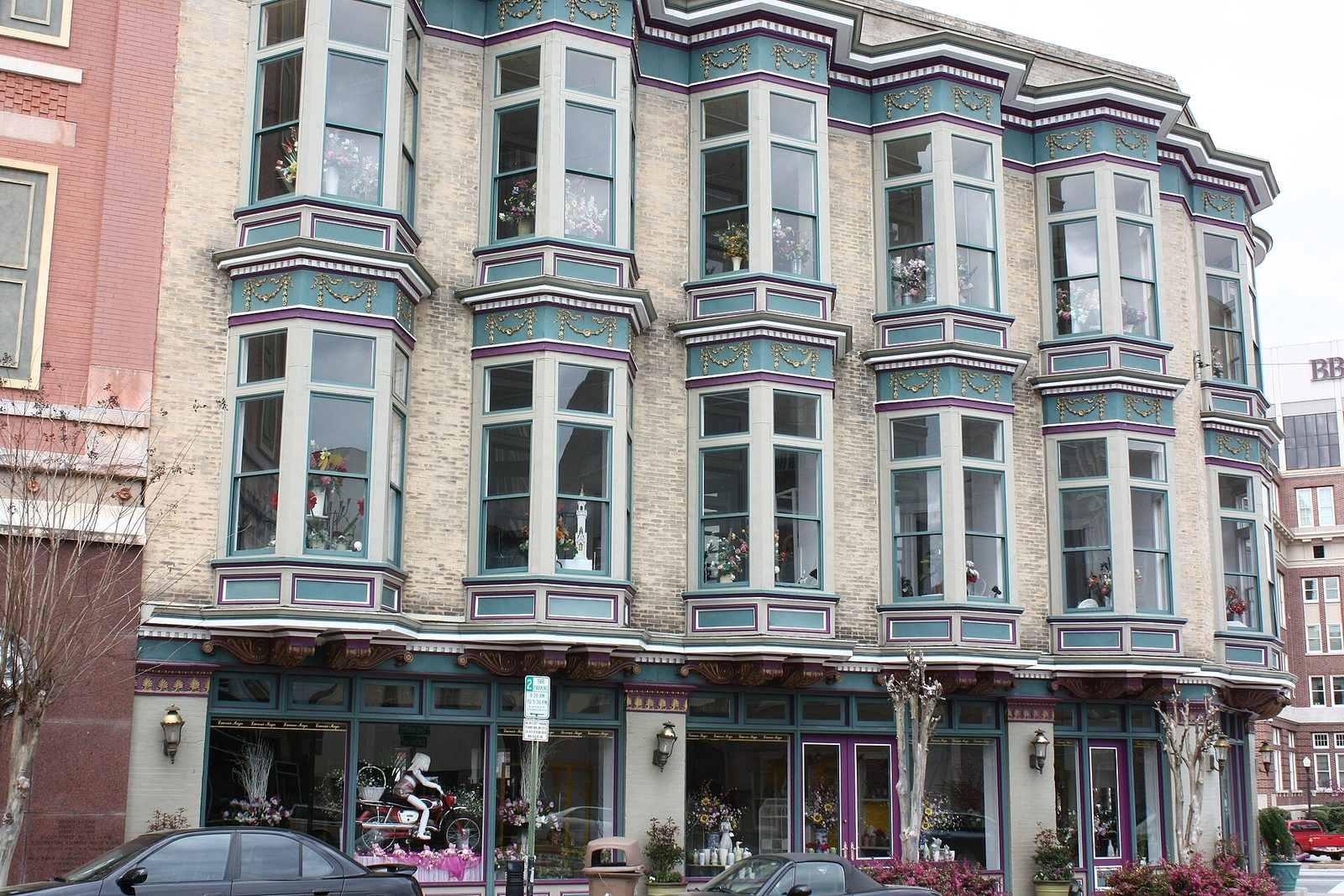
Atlanta is a genuinely major food city and has been for longer than most visitors assume. It is where the traditional Black culinary institutions of Georgia sit alongside one of the most substantial immigrant food scenes in the American South — Buford Highway in particular is a corridor of Korean, Vietnamese, Chinese, Mexican and Ethiopian restaurants that has no real equivalent elsewhere in the state. Outside the city, Piedmont cooking is meat-and-three country: a protein and three vegetables, served at lunch.
The mountains
Appalachian rather than Deep South. Trout, apples and apple products from the Ellijay orchards, sorghum syrup, country ham, cornbread and beans. The north Georgia mountains eat more like east Tennessee than like Savannah, and the seasonal calendar is a harvest one: apples from late summer, sorghum in the fall.
Who actually built this food
Every honest account of Georgia cooking has three foundations, and most tourist accounts mention only one.
Indigenous. Corn is the base of southern cooking and it came from Indigenous agriculture — the Muskogee (Creek) and Cherokee nations who farmed this land for centuries before removal. Grits and hominy descend directly from Indigenous methods of processing corn, and the combination of corn, beans and squash is an Indigenous agricultural system, not a European one. Ocmulgee Mounds at Macon and Etowah at Cartersville preserve towns where that agriculture was practiced a thousand years ago.
West African and Black American. The rice that defines coastal Georgia cooking was cultivated using West African knowledge by enslaved people, on plantations along the Ogeechee and the Altamaha. Okra, black-eyed peas, sorghum and benne (sesame) are African crops. The techniques, the seasoning and the one-pot cooking that became Lowcountry food are Black American inventions, and the restaurants in Atlanta that preserved and professionalized them — several of which sat at the center of the civil rights movement, feeding organizers and hosting strategy meetings — are part of that history rather than adjacent to it.
European. Pork husbandry, wheat flour, dairy and the biscuit. Real, and the smallest of the three contributions rather than the default one.
Saying this plainly is not a political gesture. It is the only way the food makes sense: you cannot explain why the Georgia coast cooks rice and the Georgia Piedmont cooks corn without it.
The agricultural truth

The peach problem
Georgia’s nickname is not supported by the harvest figures. California produces around 520,000 tons of peaches a year and South Carolina about 85,000 tons. Georgia produces about 30,000 tons and ranks third. South Carolina grows more than double Georgia’s crop, and the state has shifted over decades toward peanuts and pecans, which tolerate climate variability better and need far less hand labor at harvest.
None of which means the peaches are bad. A Georgia peach bought at a farm stand near Fort Valley in late June, eaten the same day, is genuinely outstanding, and the reason has more to do with variety and ripeness at picking than with volume. The honest framing: come for the peaches in season and buy them at the source, but do not expect Georgia to be drowning in them, and treat a peach-branded gift shop item as a souvenir rather than agriculture.
Vidalia onions and the law
Georgia’s most legally protected food. The Vidalia Onion Act, passed by the state legislature in 1986, defined the twenty counties in south Georgia within which Vidalia onions may be grown, and gave the Georgia Department of Agriculture ownership of the Vidalia name as applied to onions. Federal Marketing Order No. 955, established in 1989, added federal protection. You may grow a sweet onion anywhere; you may not call it a Vidalia unless it comes from that defined area of Georgia.
The onion is the official state vegetable, and the season is short — from late April into the summer. The town of Vidalia holds a festival around it in April, which in 2026 ran 23 to 26 April with a Blue Angels air show. Buy them in season from a roadside stand and store them the way the growers tell you to, because they do not keep like a storage onion.
Peanuts and pecans
Georgia is the dominant peanut-producing state in the country, and pecans are the other quiet giant — the crop that grew as peaches receded. Both are genuinely south Georgia industries rather than tourist products, and both are best bought where they are grown: roadside stands and small shellers across the Coastal Plain, not airport gift shops.
The one you should actually try is boiled peanuts. Green peanuts, boiled in salted water until soft, sold hot from a pot at the side of the road. They are nothing like a roasted peanut — soft, briny, closer to a bean — and they are the single most genuinely local roadside food in Georgia. Most visitors either love them immediately or never touch them again.
Barbecue, region by region
Georgia has no single barbecue style, which is why every claim that it does is wrong. What it has is a set of regional habits that shade into the states around it, and the useful thing to know is which one you are standing in.
- The default is pork, usually shoulder, pulled or chopped, served on a bun or on a plate with sides. Beef appears but it is not the tradition here.
- Sauce runs tomato-and-vinegar across most of the state — thinner and sharper than Kansas City, sweeter than eastern North Carolina. It is usually served on the meat rather than beside it, which is worth knowing if you would rather sauce your own.
- Mustard-based sauce appears toward the South Carolina line, in the eastern counties and around Augusta, bleeding across from the South Carolina midlands where it originates.
- Whole-hog cooking survives in pockets, mostly in south Georgia and mostly at places that do it one or two days a week. When you find one, that is the day to go.
- Brunswick stew is the tell. A Georgia barbecue place will almost always have it, usually as a side rather than a course, and the quality of the stew is a reasonable proxy for the quality of the kitchen.
The practical advice: barbecue in Georgia is a lunch food at an unglamorous building, frequently with limited hours and a habit of closing when the meat runs out. The places that look like restaurants are usually worse than the places that look like a shed with a smoker behind it. Ask locally rather than searching, and go early.
Fifteen things to eat, and where
- Shrimp and grits. The coast. Stone-ground grits and local shrimp, and the version to seek out is the one with the fewest additions.
- Low country boil. Shrimp, sausage, corn and potatoes boiled together and poured onto a table. Coastal, communal, and best at a family-run place rather than a tourist one.
- Barbecue. Pork, and the sauce changes with the county — tomato-and-vinegar in most of Georgia, with mustard-based sauces appearing toward the South Carolina line. Whole-hog cooking survives in pockets.
- Brunswick stew. Tomato-based, thick with pulled pork or chicken, corn and lima beans. Brunswick, Georgia and Brunswick County, Virginia both claim it, and Georgia’s claim is marked by a pot on the waterfront. It is a side dish at a barbecue place as often as a course.
- Fried chicken. Ubiquitous and variable. The best is usually at a meat-and-three at lunch, not at dinner.
- Meat-and-three. Not a dish but a format: one protein, three vegetables, cornbread, served at lunch. The most reliable good meal in Georgia and the cheapest.
- Collard greens. Best after the first frost, which sweetens them. Often cooked with pork; ask if that matters to you.
- Field peas. Crowder, purple hull, lady peas. In season in summer, and a genuinely different thing from the canned version.
- Okra. Fried, stewed with tomatoes, or in soup. The soup is the coastal version and the best one.
- Georgia white shrimp. Wild-caught from the coast, and worth asking whether what you are served is local or imported — the difference is substantial and the answer is not always the one on the menu.
- Oysters. Georgia’s large tidal range produces clustered oysters rather than the single ones most people picture. Local, seasonal, and increasingly farmed.
- Pimento cheese. Cheddar, mayonnaise, pimentos. On sandwiches, on burgers, as a dip. The Masters has made it famous, but it is everywhere.
- Pecan pie and pralines. Both genuinely local. Savannah’s praline shops are a tourist ritual, and the candy is sweeter than most people expect.
- Trout. In the mountains, from the north Georgia streams and tailwaters. Usually pan-fried, often at a family-style restaurant.
- Apple products. From Ellijay and Gilmer County: cider, fried pies, apple butter. Available from late summer through fall at the apple houses along GA 52 and GA 515.
Gullah Geechee food, and how to seek it out
This is the most culturally significant foodway in Georgia and the hardest for a visitor to encounter honestly, because the communities that carry it are small, coastal, and not organized around tourism.
Some context first. Gullah Geechee people are the descendants of West and Central Africans enslaved on the rice, indigo and cotton plantations of the southeastern coast, whose relative isolation on the sea islands allowed a distinct language, culture and cuisine to survive. The Gullah Geechee Cultural Heritage Corridor, designated by Congress in 2006, recognizes that culture formally along the coast from North Carolina to Florida.
The food is rice-centered in a way the rest of Georgia is not: red rice, rice and field peas cooked together, okra soup, crab stew, and one-pot dishes built around what the tide and the season provided. If you have eaten a low country boil, you have eaten a descendant of it.
Where to encounter it. Hog Hammock on Sapelo Island is the most direct route and the most constrained: roughly 45 residents, reachable only by the passenger ferry from McIntosh County, and only if you are on an organized tour — state-run tours run Wednesday and Saturday mornings, with Saturday by reservation — or the guest of a resident. Booking a stay in the community is the way to be there outside tour hours. Near Savannah, the Pin Point Heritage Museum, in a former oyster and crab processing factory, interprets the Gullah Geechee community that worked there.
How to do it decently. Book through the community rather than around it, pay for tours and food rather than treating a living neighborhood as a viewpoint, and ask before photographing people or homes. Sapelo’s residents have spent years contending with development pressure and the loss of land; visiting respectfully and spending money locally is genuinely useful, and wandering uninvited is not.
The mountains: apples, trout and sorghum
North Georgia eats differently enough from the rest of the state to be worth its own section, and the calendar matters more here than anywhere else.
- Apples. Gilmer County around Ellijay is Georgia’s apple country, and the apple houses along the approach roads sell fruit, cider, fried pies and apple butter from late summer through fall. This is a working agricultural season rather than a themed attraction, and the fried pies are the thing to buy. The Georgia Apple Festival runs two October weekends — in 2026, 10–11 and 17–18 October.
- Trout. From the north Georgia streams and the tailwaters below Buford and Blue Ridge dams. Usually pan-fried with cornmeal and served at a family-style restaurant. Note that fishing for it yourself needs a trout license on top of the basic Georgia fishing license — $10 extra for residents, $30 for non-residents.
- Sorghum syrup. Cane pressed and boiled down into a dark, mineral syrup that is not molasses and not maple. Made in the fall, sold at mountain stands and at the Blairsville sorghum festival, and excellent on a biscuit.
- Country ham, cornbread and beans. The Appalachian core of the region’s cooking, and still the standard plate at the family-style restaurants around Rabun County.
- Family-style dining is the mountain format: dishes brought to the table and passed around, one price, as much as you want. It is the north Georgia equivalent of Savannah’s boarding-house lunch, and the long-running places in Rabun County are the ones to look for.
A caution on Helen. The town’s Bavarian theming extends to its restaurants, and the German food there is mostly aimed at visitors. Sleep in Helen if the byway and the falls are your plan, and eat in Sautee Nacoochee or Clarkesville instead.
Dining in Atlanta
Atlanta is the only place in Georgia where you can plan a trip around eating. Four pathways cover most of what makes it good.
- The historic Black culinary institutions. Atlanta has restaurants that have been serving since the 1940s and that were central to the civil rights movement as meeting places as well as kitchens. Several are still family-run. They are the most historically significant places to eat in the state, and they are generally lunch operations — go at midday, not at eight.
- Buford Highway. A corridor northeast of the city with the densest concentration of immigrant restaurants in the South: Korean, Vietnamese, Chinese, Mexican, Ethiopian and more, largely in strip malls, largely inexpensive, and genuinely excellent. You need a car. This is the single most underrated food destination in Georgia.
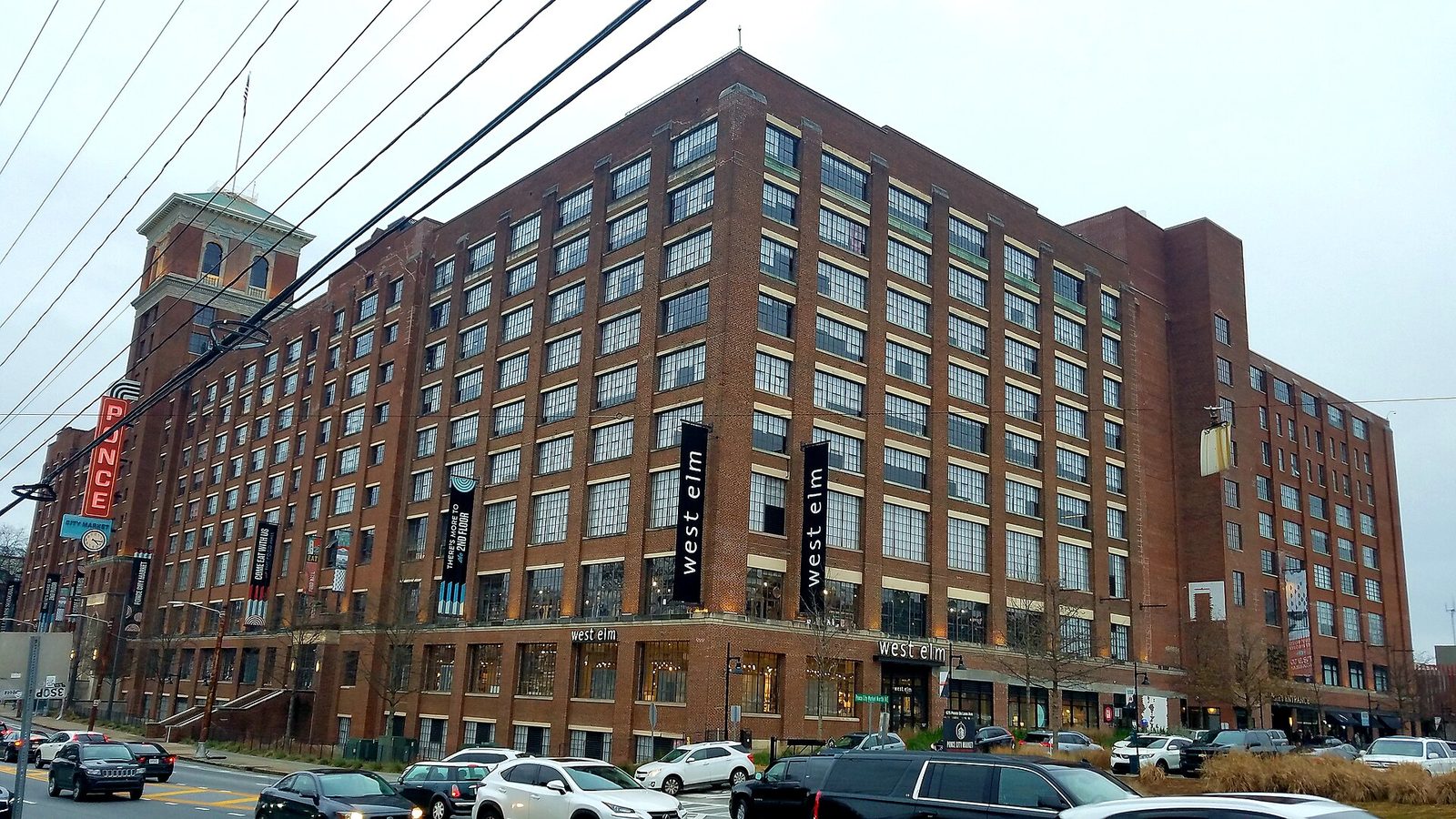
- The food halls. Ponce City Market in a converted Sears warehouse on the BeltLine, and Krog Street Market further south. Neither is where a local eats every day, and both are an efficient way for a visitor with limited time to try several things. Ponce City Market is walkable from the Eastside BeltLine Trail.
- The institutions. The Varsity, a drive-in on North Avenue operating since 1928, is a genuine Atlanta institution and its food is a hot dog and an onion ring. Go for the ritual, not the meal, and know which you are doing.
Practical notes. Atlanta restaurant parking is expensive and often valet-only; MARTA runs a flat $2.50 fare with four free transfers inside three hours and covers Midtown, Downtown and Decatur. Decatur’s square has the best concentration of independent restaurants in the metro area and its own MARTA station.
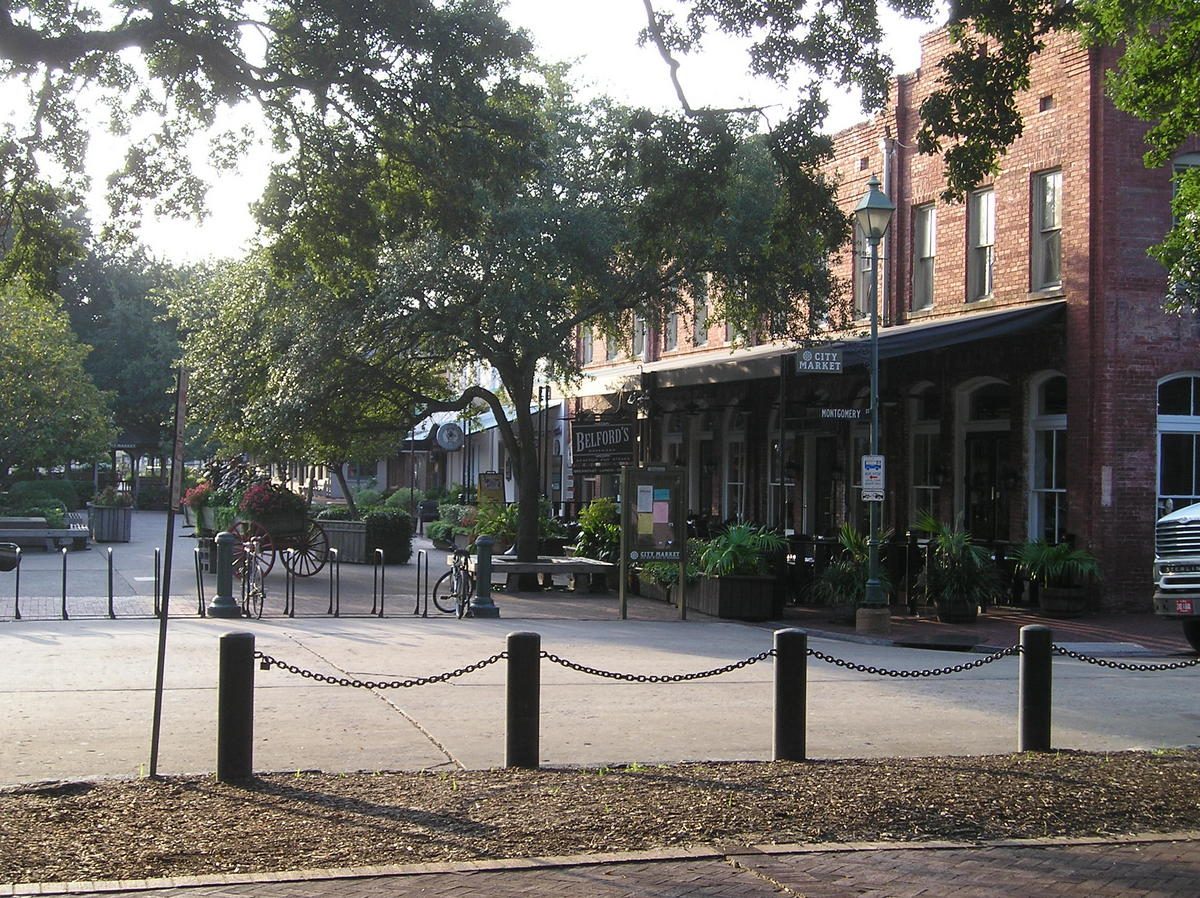
Dining in Savannah
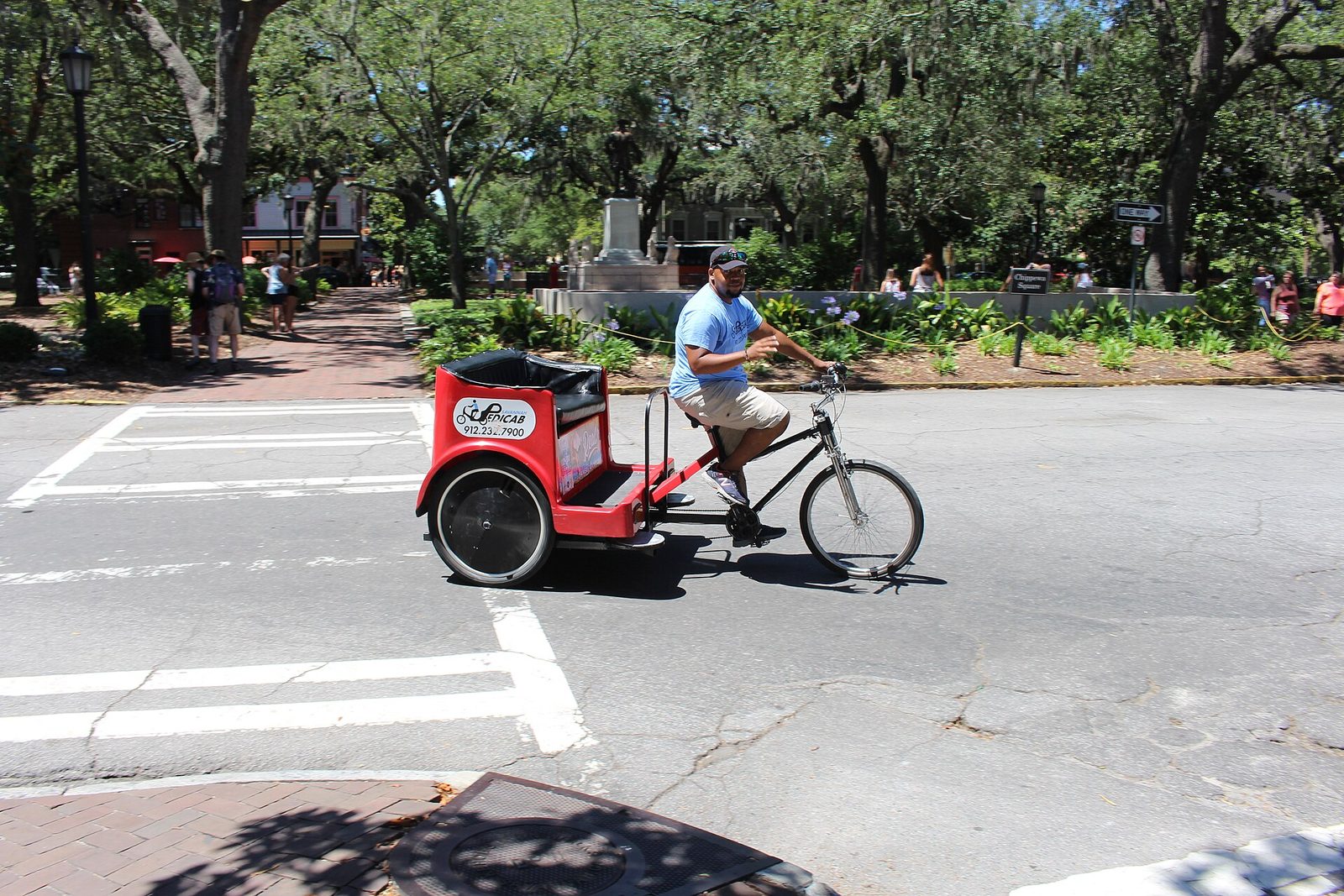
Savannah’s problem is not quality but demand. The Historic District has a high concentration of good restaurants and an even higher concentration of visitors, and the single most useful piece of advice is to book before you arrive — good tables go early on any weekend and weeks ahead for St. Patrick’s Day and spring.
The city’s signature format is the boarding-house lunch: communal tables, dishes passed around, one seating, no menu. It is the most Savannah thing you can eat and it operates on limited hours with long queues, frequently cash only. Check the specific establishment’s hours and payment policy before you queue, because they are more restrictive than visitors expect.
Beyond that: seafood on the river and in the smaller squares, and a genuine wave of newer restaurants in the Starland District south of Forsyth Park, which is where the city’s cooking is currently most interesting and where you can generally get a table.
One local rule worth knowing. Savannah permits one 16 oz plastic to-go cup within the Historic District — no glass, no cans, no flasks — roughly between River Street and Jones Street, MLK Jr Boulevard and East Broad. Public intoxication is still enforced. It is a drink while you walk between places, not a license.
A three-day eating itinerary
If the trip is about the food rather than about the sights, this is the shape that works.
Day one: Atlanta
A historic Black culinary institution at lunch — these are midday operations and going at dinner misses the point. An afternoon on Buford Highway, which needs a car and rewards ordering more than you planned. Dinner in Decatur or on the eastside, both reachable on MARTA at $2.50 a trip. If you have an hour spare, Ponce City Market on the BeltLine for the range rather than for any single stall.
Day two: down the Fall Line
Drive south on I-75 and stop for barbecue at lunch somewhere unglamorous between Atlanta and Macon. In summer, get off the interstate for the produce stands — peaches around Fort Valley from late May, melons and field peas through July. Macon has a genuine restaurant scene and a music heritage to go with it, and it sits exactly where the Piedmont becomes the Coastal Plain.
Day three: the coast
Across on I-16 to Savannah, or further south to Darien and Brunswick where the shrimp boats land. A boarding-house lunch in Savannah if you can face the queue, shrimp and grits or a low country boil for dinner, and a table booked before you arrived. If the timing suits, the Jekyll Island Shrimp & Grits Festival on 23 and 24 October 2026 is free to attend and is a straightforward way to eat well in one place.
What this route deliberately skips: the mountains, which are four hours in the wrong direction and belong to a separate trip. Georgia’s food geography runs north-south down the middle of the state, not across it.
Markets and buying at the source
- Roadside stands across south Georgia, for peanuts, onions, peaches, melons and pecans in their seasons. These are the real thing and the prices are a fraction of retail.
- Apple houses in Gilmer County around Ellijay, from late summer through fall, for apples, cider and fried pies.
- Atlanta’s curb market on Edgewood Avenue, a covered public market operating since the 1920s with produce, butchers and prepared food.
- Coastal seafood docks at Darien and Brunswick, where the shrimp boats land. Ask what came in today.
- Farmers markets in every city of any size, generally Saturday mornings and generally best from May through October.
Drink
Beer is the strongest category. Georgia’s brewing scene has expanded substantially and Atlanta, Savannah, Athens and Decatur all have several breweries worth an afternoon. Taproom rules have loosened over the past decade; check current hours rather than assuming.
Wine. Georgia’s wine country is in the north Georgia mountains, concentrated around Dahlonega, with vineyards on the slopes an hour from Atlanta. Tasting fees are not published in a checkable form and vary by flight and day, so no figures appear here — but one useful published detail is that Montaluce runs free tours daily, weekdays at 2 p.m. and weekends at noon. Two wineries in a day with lunch between them is the right pace; four is how a pleasant afternoon becomes expensive. Arrange a driver before you start.
Spirits. North Georgia has a moonshine heritage that is now largely a legal distilling industry, and Dahlonega and the mountain towns have distilleries with tasting rooms.
Coca-Cola. Invented in Atlanta in 1886 by John Pemberton, and the reason a soft drink has a museum in this city. World of Coca-Cola is at Pemberton Place downtown alongside the aquarium. The tasting room at the end, where you can try the company’s products from around the world, is the part children remember.
Sweet tea is the genuine default non-alcoholic drink. Ordering “tea” in most of Georgia gets you iced tea, pre-sweetened, and sometimes very sweet. If you want it unsweetened, say so — it is always available and never assumed.
Allergies, dietary needs and access
Honest assessment: better in the cities than the smaller towns, and improving.
Pork is the most common hidden ingredient in traditional Georgia cooking. Collards, green beans, field peas and other vegetables are frequently cooked with ham hock, fatback or bacon grease as a matter of course, and the menu will not say so. Ask directly; most kitchens will tell you, and a growing number cook vegetables separately.
Peanuts are a serious consideration in a state that grows them. Peanut oil is used for frying at many traditional restaurants, including well-known chains, and boiled peanuts are sold openly everywhere. Anyone with a peanut allergy should ask about frying oil specifically rather than about ingredients generally.
Gluten. Cornbread is not gluten-free as normally made in Georgia, because most recipes include wheat flour. Grits are naturally gluten-free but shared fryers are common. Atlanta, Savannah, Athens and Decatur all have restaurants that handle this well; smaller towns are hit and miss.
Vegetarian and vegan. Atlanta is genuinely good, with a long-established vegetarian and vegan scene and excellent options along Buford Highway. Elsewhere, the vegetable plate at a meat-and-three is your friend — three or four vegetables and cornbread as a meal — provided you have asked about the pork.
Alcohol-free options
Georgia’s food scene does not require drinking to enjoy, and several of its best experiences involve none.
- The whole meat-and-three tradition is a lunchtime, non-drinking format by design.
- Roadside and market buying — boiled peanuts, peaches, onions, pecans — is the most distinctive food experience in the state and costs a few dollars.
- Apple houses in Gilmer County serve cider, fried pies and fresh apples through the fall, with no bar in sight.
- Montaluce’s free daily tours in the Dahlonega wine country cost nothing and do not require you to taste.
- World of Coca-Cola’s tasting room, which is a soft-drink experience by definition.
Note also that Sunday alcohol rules vary by county and city in Georgia, so an alcohol-free plan is sometimes made for you. Check locally rather than assuming statewide uniformity.
What is in season when
| Season | At its best | Where |
|---|---|---|
| Spring (Mar–May) | Vidalia onions from late April; strawberries; early greens | South Georgia |
| Early summer (May–Jun) | Peaches begin; field peas; sweet corn | Middle Georgia |
| High summer (Jul–Aug) | Peaches at peak; tomatoes; okra; boiled peanuts | Statewide |
| Early fall (Sep–Oct) | Apples; shrimp at their best; muscadines | North Georgia and the coast |
| Late fall (Oct–Nov) | Pecan harvest; sorghum; collards after frost | South and north Georgia |
| Winter (Dec–Feb) | Oysters; greens; citrus from the far south | Coast |
How this page handles restaurants
Deliberately, and differently from most food guides. Restaurants close, change hands and change hours faster than any page can track, and a guide that names forty of them is a guide that is wrong about several of them within a year. So this page names categories, neighborhoods and a small number of genuinely long-established institutions, and points you at the right kind of place rather than a list that will decay.
Where a specific establishment is named, it is because it has been operating for decades and is a landmark in its own right. Even then: check current hours and payment policy before you go, because several of Georgia’s best-known places are lunch-only, cash-only, closed on days you would not expect, or all three. No restaurant paid for inclusion here, and nothing on this page is ranked by commission.
Frequently asked questions
What is the one Georgia dish to try?
Shrimp and grits on the coast, if you only have one meal. It carries the state’s actual culinary history — West African rice and rice-adjacent cooking, local wild-caught shrimp, stone-ground corn — in a way nothing else on a menu does. Inland, the answer is a vegetable plate at a meat-and-three at lunch.
Are Georgia peaches actually worth it?
In season and bought at the source, genuinely yes. Out of season, or in a gift shop, no. The state ranks third in the country for peach production behind California and South Carolina, so the branding runs ahead of the harvest — but a peach from a middle Georgia farm stand in late June is as good as the reputation suggests.
What are boiled peanuts, and will I like them?
Green peanuts boiled in salted water until they are soft, sold hot from pots at roadside stands across south Georgia. They are closer to a bean than to a roasted peanut, briny and soft. Opinion divides immediately and permanently. They cost a few dollars and are the most authentically local thing you can eat here, so try them once.
Is Atlanta a good food city?
One of the best in the American South, and underrated nationally. The combination of historic Black culinary institutions, the Buford Highway immigrant corridor and a strong newer restaurant scene gives it more range than any other city in the region. Use MARTA where you can and expect to drive for Buford Highway.
Can I eat well as a vegetarian in Georgia?
In Atlanta, Athens, Decatur and Savannah, easily. Elsewhere, the vegetable plate at a meat-and-three is the reliable option — but ask whether the vegetables are cooked with pork, because collards, green beans and field peas traditionally are, and the menu will not mention it.
What should I bring home?
Pecans and peanuts from a south Georgia sheller, Vidalia onions if you are there between late April and summer, sorghum syrup from the mountains, and apple butter from Gilmer County in the fall. All four keep, all four are cheaper at the source, and all four are genuinely from here — which is more than can be said for most of what is sold as a Georgia souvenir.
What is Brunswick stew, and who invented it?
A thick tomato-based stew with pulled pork or chicken, corn and lima beans, served alongside barbecue across Georgia. Brunswick, Georgia and Brunswick County, Virginia both claim it, and the Georgia claim is marked by a pot on the Brunswick waterfront. The dispute is unresolved and genially maintained by both sides. Try it as a side at a barbecue place rather than seeking it out on its own.
Is the food in Georgia always fried and always heavy?
No, though the reputation is earned in places. The vegetable-heavy meat-and-three plate is the everyday format, coastal cooking is seafood and rice rather than fry oil, Atlanta’s immigrant restaurants cover most of the world’s cuisines, and summer in Georgia is a produce season worth building meals around. The fried-everything version is real but it is one register among several.
The wine half of that picture deserves its own numbers, because they are smaller than the marketing implies: Georgia’s flagship Dahlonega Plateau AVA holds about 110 acres of planted vineyard across nine vineyards. Our guide to Georgia wineries covers both AVAs at their real scale, how to run a tasting day without wasting it, and the apple houses and pick-your-own farms that make up the larger agritourism season.
Related Georgia Guides
- Atlanta Travel Guide — neighborhoods, MARTA and the city in full.
- Savannah Travel Guide — the Historic District, parking and what to book.
- Georgia Festivals & Events — Vidalia, Ellijay and the harvest calendar.
- Romantic Getaways in Georgia — the wine country weekend, done properly.
- Best Time to Visit Georgia — the seasons behind the produce calendar.
- Georgia Beaches & Islands — the coast, including Sapelo and Hog Hammock.
- North Georgia Mountains Travel Guide — apples, trout and the mountain towns.
- Georgia Road Trips & Scenic Drives — the roads with the produce stands on them.
- Where to Stay in Georgia — bases for an eating trip.
- Best Things to Do in Georgia — the statewide overview.
Photo Credits
Ponce City Market, Atlanta: photo by JJonahJackalope / Wikimedia Commons (CC BY-SA 4.0)
City Market in Savannah’s Historic District: photo by Jrozwado / Wikimedia Commons (CC BY-SA 4.0)
A pecan grower in his south Georgia orchard: photo by USDAgov / Wikimedia Commons (Public domain)
Sources: USDA Economic Research Service and USDA Agricultural Marketing Service, including Federal Marketing Order 955; Georgia Department of Agriculture, including the Vidalia Onion Act (O.C.G.A. § 2-14-130); New Georgia Encyclopedia; the Gullah Geechee Cultural Heritage Corridor Commission; Vidalia Onion Committee; Montaluce Winery; City of Savannah. Checked September 2026.
Georgia Tourism Guide is an independent publication. We are not affiliated with Explore Georgia, the Georgia Department of Natural Resources, the National Park Service or any attraction listed here.