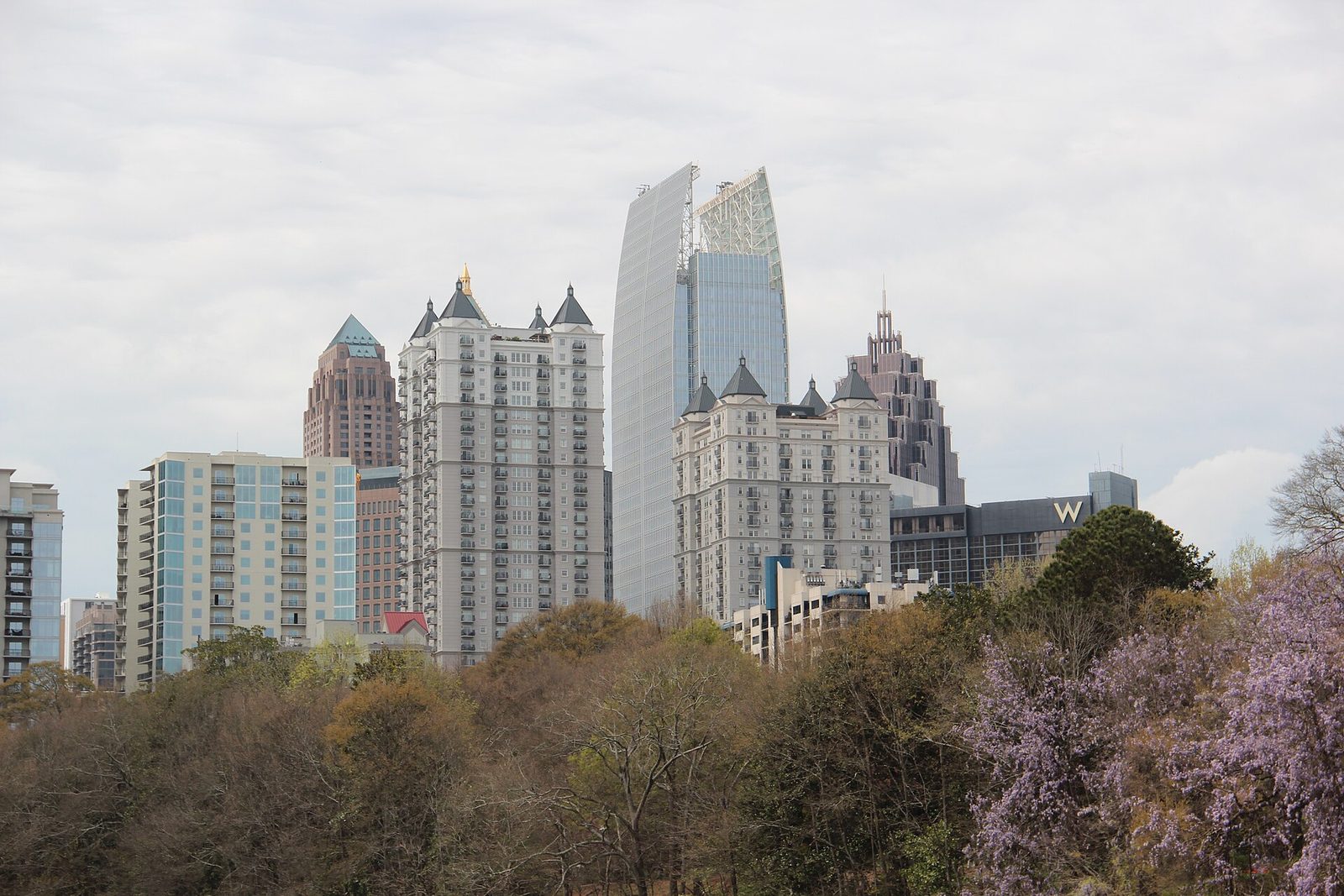
Ask ten people when to come here and you will get April, October and “not July” in roughly equal measure, which is right as far as it goes and useless if your dates are already fixed. The honest answer to the best time to visit Georgia USA depends on which Georgia you mean: the mountains in the north, the Piedmont through the middle, the hot flat Coastal Plain below the Fall Line, and a hundred miles of Atlantic coast that runs on a different calendar from all three. This guide gives you the actual numbers — NOAA’s 1991–2020 climate normals for Atlanta, Columbus and Savannah — then works through the year month by month, with bloom and foliage windows, storm and hurricane guidance, crowd and price cycles, and what to pack. Every figure was checked in September 2026.
To be explicit about which place this is, because search results confuse the two: this is the American state of Georgia, between Tennessee and Florida, with Atlanta as its capital. The country in the Caucasus keeps a different calendar entirely, and nothing on this page applies to it.
The short answer
| If you want… | Go | Avoid | Why |
|---|---|---|---|
| The best all-round trip | Mid-April to mid-May | Mid-July to August | Comfortable statewide, everything open, blooms out |
| Fall color in the mountains | Late October | Early October | Georgia peaks about a fortnight after the Smokies |
| Beaches and swimming | June to early September | December to March | Water is warm; so is everything else |
| Cheap, quiet and mild | Mid-January to early March, on the coast | October in the mountains | Lowest rates, almost no crowds, no insects |
| Hiking and waterfalls | March to May | July and August | Highest flow, coolest walking, no heat index |
| City breaks in Atlanta or Savannah | March to May, October to November | July | Walkable temperatures matter more than you think |
If you can only take one sentence away: late April is the best week of the Georgia year, and the second-best is the first week of November, when the crowds have gone and the weather is still good.
Georgia has four climates, not one
The single biggest error in trip planning here is treating this as one weather zone. It is the largest state east of the Mississippi by land area, and it spans nearly five degrees of latitude plus a 4,700-foot elevation range.
- The Blue Ridge, in the far north. Ten to fifteen degrees cooler than Atlanta in summer, genuinely cold in winter with occasional ice and snow, and two to three weeks behind the coast in spring. Elevation does the work: Brasstown Bald is the high point of the state.
- The Piedmont, including Atlanta, Athens and Macon. Red clay, rolling country, four proper seasons, hot humid summers and short mild winters. The Atlanta numbers below describe it.
- The Coastal Plain, below the Fall Line — the boundary running roughly Columbus to Macon to Augusta. Flatter, sandier, several degrees hotter and noticeably more humid. And gnats: from about May to September, anywhere south of that line comes with clouds of tiny flies that go for your eyes. Locals wave a hand in front of their faces continuously and call it the south Georgia salute.
- The coast, from Savannah to St. Marys. Moderated by the ocean, so the winters are the mildest in the state and the summers are humid rather than scorching. It also has a hurricane season, which none of the others really do.
The practical consequence: a week in April that is perfect on the coast can still be chilly at Black Rock Mountain, and a week in October that is glorious in the mountains is still shorts weather in Valdosta.
The numbers
These are NOAA’s official 1991–2020 monthly climate normals, in Fahrenheit and inches, for three first-order stations covering three of the four regions. Normals are thirty-year averages, not forecasts: any individual week can and will depart from them.
Atlanta (Hartsfield-Jackson International Airport) — the Piedmont
| Month | Avg high °F | Avg low °F | Precip (in) |
|---|---|---|---|
| January | 54.0 | 35.6 | 4.59 |
| February | 58.2 | 38.9 | 4.55 |
| March | 65.9 | 45.3 | 4.68 |
| April | 73.8 | 52.5 | 3.81 |
| May | 81.1 | 61.3 | 3.56 |
| June | 87.1 | 68.6 | 4.54 |
| July | 90.1 | 71.8 | 4.75 |
| August | 89.0 | 71.3 | 4.30 |
| September | 83.9 | 65.9 | 3.82 |
| October | 74.4 | 54.9 | 3.28 |
| November | 64.1 | 44.2 | 3.98 |
| December | 56.2 | 38.4 | 4.57 |
Columbus (Columbus Metropolitan Airport) — the Fall Line and inland south
| Month | Avg high °F | Avg low °F | Precip (in) |
|---|---|---|---|
| January | 58.7 | 38.2 | 4.24 |
| February | 63.2 | 41.5 | 4.46 |
| March | 70.4 | 47.3 | 4.92 |
| April | 77.7 | 54.0 | 4.03 |
| May | 85.1 | 63.1 | 3.24 |
| June | 90.2 | 70.5 | 4.03 |
| July | 92.9 | 73.5 | 4.35 |
| August | 91.8 | 73.0 | 4.68 |
| September | 87.3 | 67.9 | 3.34 |
| October | 78.3 | 56.8 | 2.78 |
| November | 68.4 | 46.1 | 3.96 |
| December | 60.6 | 40.6 | 4.79 |
Savannah (Savannah International Airport) — the coast
| Month | Avg high °F | Avg low °F | Precip (in) |
|---|---|---|---|
| January | 61.4 | 40.0 | 3.28 |
| February | 65.1 | 42.9 | 2.80 |
| March | 71.4 | 48.6 | 3.50 |
| April | 78.2 | 55.2 | 3.39 |
| May | 84.7 | 63.4 | 3.62 |
| June | 89.6 | 70.7 | 6.65 |
| July | 92.3 | 73.7 | 5.75 |
| August | 90.8 | 73.3 | 5.46 |
| September | 86.4 | 69.0 | 4.35 |
| October | 79.0 | 58.6 | 3.72 |
| November | 70.2 | 48.0 | 2.39 |
| December | 63.7 | 42.6 | 3.21 |
Three things fall straight out of those tables. Savannah’s January is seven degrees warmer than Atlanta’s, which is why a winter coast trip works and a winter mountain trip is a different proposition. June is Savannah’s wettest month at 6.65 inches, well ahead of anywhere inland — that is the summer sea-breeze thunderstorm pattern, and it is daily rather than occasional. And Columbus in July averages 92.9°F, before humidity is accounted for, which is the number to look at before booking a July trip to south Georgia.
No first-order station normals are quoted here for the mountains, because Georgia’s high country has no comparable airport station. As a working rule, subtract about ten degrees from the Atlanta figures for the Blairsville and Clayton area and rather more for the summits.
The best month for each region
If your destination is already fixed, this is the shorter question.
| Region | Best | Also good | Avoid | Why |
|---|---|---|---|---|
| North Georgia mountains | Late October | April–May, early November | January weekends | Color peaks late October; ice closes the high roads in winter |
| Atlanta and the Piedmont | April | October, early November | July | Walkable temperatures; the city is best on foot |
| Savannah | March–April | October–November | July–August | Squares and walking; spring rates spike around St. Patrick’s Day |
| The Golden Isles and coast | April–May | October, and January for value | Early September | Warm water without peak crowds; September is hurricane peak |
| Southwest Georgia | October–April | March–April especially | June–August | Flat, shadeless, high heat index in summer |
| The Okefenokee | March–April | October–November | July–August | Cooler, fewer insects, more reliable water |
| Middle Georgia and the Antebellum Trail | Late March | October–November | July | Cherry blossom in Macon; mild walking weather |
The pattern across that table is simple enough to state in one line: the further south you go, the earlier and later in the year the good season runs. April is the one month that works everywhere in the state at once, which is why it wins the overall question.
Month by month
January
The coldest month and the cheapest. Atlanta averages 54°F by day and 36°F at night; Savannah manages 61°F and 40°F. Mountain roads ice over — GA 348, GA 180 and the upper reaches of GA 60 are gated without much warning, so check Georgia 511 before committing. The coast is the play: mild, empty, cheap, no insects, and Cumberland Island in January is as good as Georgia gets. Bare hardwoods also mean the mountain overlooks that show you a wall of leaves in July show you ridge after ridge now.
February
January with slightly longer days and the first hint of spring at the coast. Still the low season for rates almost everywhere. The last reliably quiet month before the calendar fills up, and a good time for Savannah before the spring weekends arrive.
March
The month everything starts. Macon’s roughly 350,000 Yoshino cherry trees bloom in late March, and the International Cherry Blossom Festival runs ten days that month — the 2026 edition ran 20 to 29 March, and the 2027 dates had not been announced as of September 2026, so check cherryblossom.com rather than booking on a guess. Savannah’s St. Patrick’s Day is the city’s biggest weekend of the year and rates reflect it. Waterfalls run hard. The catch is pollen: for roughly a fortnight in late March and early April the Piedmont is under a visible yellow film, cars included, and anyone with allergies will know about it.
April
The best month in Georgia, with the best single week usually falling in the second half. Dogwood and azalea are out, Callaway’s azalea bowl peaks, the mountains are green but not yet hot, and the coast is at its most comfortable. Atlanta averages 73.8°F by day. The Masters is in Augusta in the first full week, which prices that city out and does nothing to anywhere else. Book mountain cabins and state park cottages ahead — April availability is better than October, but not unlimited.
May
Still excellent, and the last month before the heat becomes the main character. Atlanta hits 81°F, Columbus 85°F. Tubing season on the Chattahoochee at Helen opens at Memorial Day, and the gnats start below the Fall Line. Beach water is warm enough. This is the sweet spot for anyone who wants the coast without July crowds.
June
Summer proper. Afternoon thunderstorms build most days; Savannah’s 6.65 inches makes it the wettest month on the coast, almost all of it in short violent storms rather than steady rain. Hurricane season opens on 1 June, though the Georgia coast rarely sees anything this early. The mountains are the refuge, ten to fifteen degrees cooler than Atlanta, and the lakes are at their best.
July
The hottest month everywhere, and the one to plan around rather than through. Columbus averages 92.9°F, Savannah 92.3°F, Atlanta 90.1°F, all before humidity. Storms most afternoons. Gnats at full strength below the Fall Line. Lakes and the coast are busy, mountain towns are pleasant, and anything involving walking around a city in the middle of the day is a poor idea. Plan outdoor mornings and indoor afternoons.
August
July with worse humidity and the beginning of the serious part of hurricane season. Marginally cooler on paper — Atlanta 89.0°F — and it does not feel like it. Schools return in Georgia in early August, which takes some pressure off attractions in the second half of the month while doing nothing for the weather.
September
A month of two halves. The first half is still summer: 83.9°F in Atlanta, 86.4°F in Savannah, and the statistical peak of the Atlantic hurricane season. The second half turns, and the last week of September is genuinely pleasant. Helen’s Oktoberfest starts in September now — the 56th edition ran from 10 September to 1 November 2026. Note that the Chattahoochee tubing season ends at Labor Day, so tubing and Oktoberfest do not overlap, which catches out a remarkable number of visitors.
October
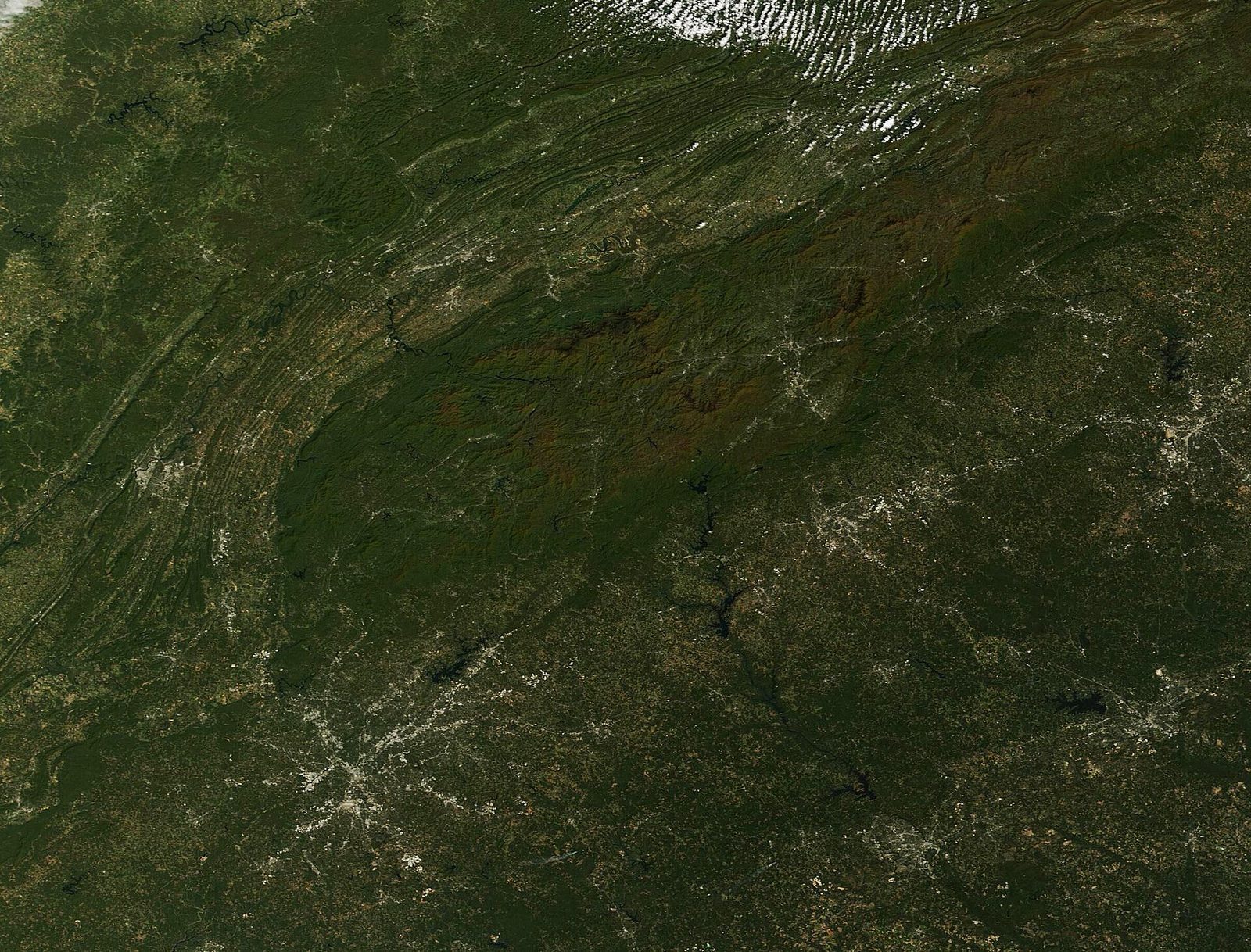
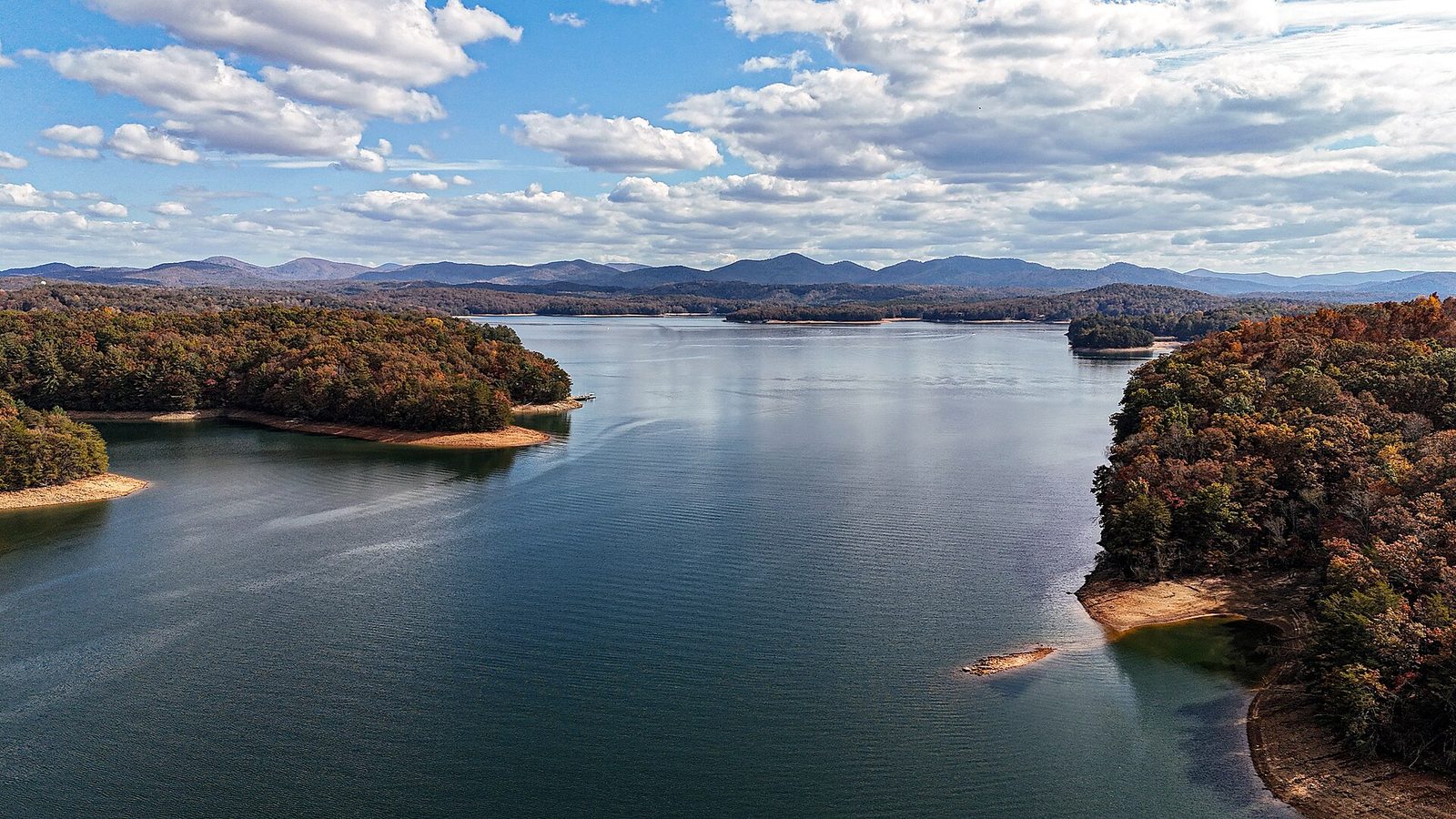
The most popular month and the most expensive in the mountains. Color in the higher north Georgia counties peaks in late October, roughly a fortnight after the Great Smoky Mountains — visitors who drive up in the first week for foliage regularly find green. Atlanta averages 74.4°F, which is close to ideal. Cabins and state park cottages for October weekends are booked close to a year ahead. Deer firearms season opens on 17 October 2026, so wear blaze orange on national forest trails.
November
The most underrated month. The first week is the best value in the Georgia year — the crowds have gone, lower-elevation color is still good, Atlanta averages 64.1°F and the coast a comfortable 70.2°F, and rates have dropped. Thanksgiving week is the exception. Hurricane season closes on 30 November.
December
Cold and quiet inland, mild on the coast. Holly Jolly Jekyll adds $5 to the island’s daily vehicle fee on designated event days. Mountain towns do Christmas properly and the cabin rates reflect the two weeks around the holiday, but the first half of December is close to low season. Bare-tree mountain views are at their best, when the roads are open.
Bloom and foliage calendar
These windows shift by up to two weeks either way with the weather, so treat them as targets rather than dates. Anyone planning a trip around a bloom should watch a current forecast in the fortnight beforehand.
| What | Usual window | Where | Variability |
|---|---|---|---|
| Cherry blossom | Late March | Macon | High — the festival dates are set, the trees are not |
| Dogwood | Late March to mid-April | Piedmont, statewide | Moderate |
| Azalea | Late March to April | Callaway, Savannah, Piedmont | Moderate |
| Mountain laurel | May | North Georgia | Moderate |
| Rhododendron | June | North Georgia, higher elevations | Moderate |
| Pollen season | Late March to mid-April | Piedmont | Reliable, unfortunately |
| Fall color, high country | Late October | Rabun, Union, Towns counties | High — about two weeks after the Smokies |
| Fall color, lower north Georgia | Early November | Dahlonega, Ellijay, Blue Ridge | High |
Humidity, and what “feels like” actually means
The air temperature is the number people check and the wrong one to plan around for about four months of the year. Georgia’s summers are humid in a way that changes what a given temperature does to you: a 90°F afternoon with a high dew point is meaningfully harder work than the same 90°F somewhere dry, because sweat evaporates more slowly and the body’s cooling mechanism becomes less effective.
Practically, that means three things. Morning is the usable part of a summer day, and mornings here start early — it is light before six-thirty in June. Shade matters more than breeze. And hydration is not optional advice: people who are new to this climate routinely underestimate how much water a few hours outdoors costs them.
The mountains are the genuine exception. Elevation cuts both the temperature and the humidity, which is why the Blue Ridge feels like a different state in July rather than simply a cooler version of the same one. Anyone whose dates are locked to summer should be planning a mountain trip.
The dates that move prices
A handful of fixed points in the Georgia calendar do more to your budget than the weather does. These are the ones to check before you book anything.
| Event | When | Where | Effect |
|---|---|---|---|
| St. Patrick’s Day | 17 March and the weekend around it | Savannah | The city’s biggest weekend; rates roughly double, minimum stays appear |
| Cherry Blossom Festival | Ten days in March (2026: 20–29 March) | Macon | Transforms the town; 2027 dates unannounced as of September 2026 |
| The Masters | First full week of April | Augusta | Prices the entire city out; tickets are lottery-only |
| UGA home football Saturdays | Autumn | Athens and 20 miles around | Rooms booked a year ahead at multiples of the usual rate |
| Helen Oktoberfest | 10 September – 1 November 2026 | Helen | Festhalle $10 Mon–Thu, $15 Fri–Sat, free Sunday; town genuinely busy |
| Fall Foliage Trains | 19 September – 3 November 2026 | Blue Ridge | Adult Coach Express from about $45, rising at peak weekends |
| Jekyll event days | 4 July, Shrimp & Grits, Holly Jolly Jekyll | Jekyll Island | Adds $5 to the daily vehicle fee, daily rate only |
| Peak foliage weekends | Late October | North Georgia | Cabins and park cottages gone roughly a year ahead |
On the Masters specifically, because people plan trips around it and then discover they cannot get in: the lottery is the only official route. Applications run 1 to 20 June the year before, results come by late July, badges mail in March, and one application is allowed per residential address. Practice rounds are $125 on Monday and Tuesday, $150 on Wednesday, and $160 for each tournament round, and winners are assigned a single day. If the lottery does not come through, Augusta in April is still pleasant and the hotels will be full anyway.
Heat, storms and hurricanes
The heat index is the number that matters
Georgia’s summer problem is not the air temperature but what humidity does to it. A 92°F afternoon in Columbus with a high dew point feels considerably hotter, and the practical response is structural rather than heroic: outdoor activity in the morning, indoors or on water from about noon to four, and more fluid than you think. This applies statewide below the mountains, and it applies most severely below the Fall Line.
Afternoon thunderstorms
From June through August, storms build on most afternoons across the state, driven by heat and — on the coast — the sea breeze. They are typically short, occasionally severe, and the forecast will often say “40% chance of storms” every day for a week. That does not mean it will rain all day; it means expect an hour of it somewhere in the afternoon. Plan around the pattern rather than the percentage, and take lightning seriously on open water and exposed ridges.
Hurricanes and tropical weather
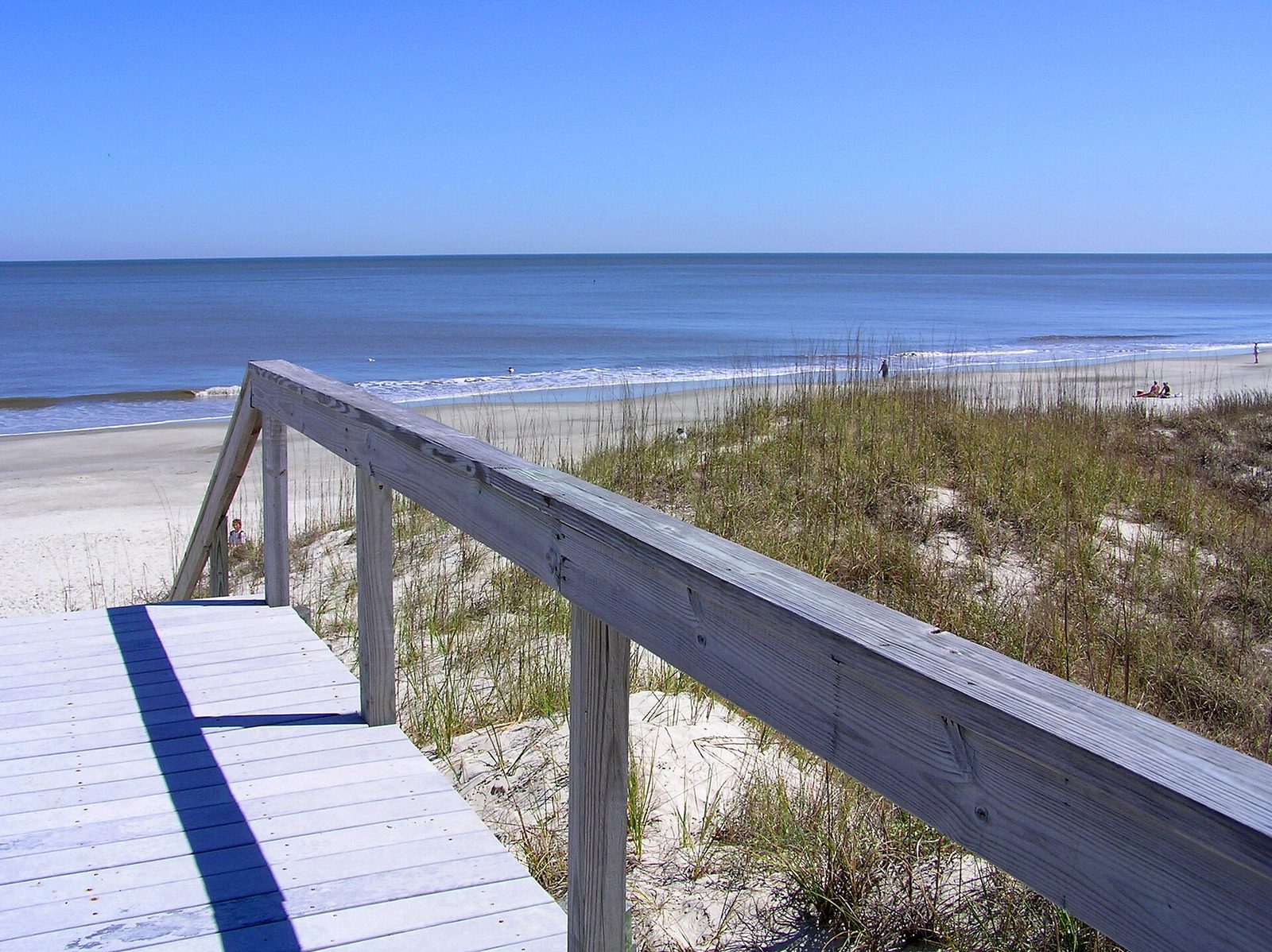
The Atlantic hurricane season runs 1 June to 30 November, with the statistical peak from mid-August through September. The Georgia coast is struck directly less often than Florida or the Carolinas, largely because it sits at the back of the concave bight that the coastline forms here — but “less often” is not “not at all,” and storms passing offshore still bring surge, wind and heavy rain, and evacuation orders do happen.
If you are traveling to the coast between August and October: buy travel insurance, watch the National Hurricane Center rather than a general forecast app, and follow the Georgia Emergency Management and Homeland Security Agency at gema.georgia.gov for evacuation guidance. Barrier islands are evacuated early, and the causeways to Tybee, Jekyll and St. Simons are the choke points. This is a reason to be flexible in September, not a reason to avoid the coast.
Crowds, prices and the calendar
Weather is only half the timing question. The other half is who else is there.
- October in the north Georgia mountains is the tightest market in the state. Cabins and state park cottages go close to a year ahead — the reservation window opens 13 months out, 14 for Georgia residents — and weekend traffic on the two-lane roads into Helen and Blue Ridge is genuinely bad. Midweek in the same month is a different and much better trip.
- Savannah in spring, and St. Patrick’s Day above all, roughly doubles rates and brings minimum-stay requirements.
- Augusta during the Masters, the first full week of April, prices the whole city out. The tournament itself is lottery-only: applications run 1 to 20 June the year before.
- Macon in cherry blossom week, late March, transforms the town and the rates with it.
- Summer on the coast is the family peak, with Tybee’s causeway backing up on weekends and Jekyll’s parking filling.
- The genuine bargains: mid-January to early March on the coast, the first half of December inland, and any midweek stay in the mountains outside October.
Timing by activity
The right month depends more on what you intend to do than on where you intend to be.
- Hiking. March to May, then late October to November. Summer is workable in the mountains before about eleven in the morning and unpleasant everywhere else. Wear blaze orange on national forest and wildlife management area trails from mid-October, when the firearms deer season opens.
- Waterfalls. Late winter and spring, when flow is highest. A north Georgia waterfall trip in September after a dry summer can be genuinely disappointing.
- Beaches and swimming. Late May through September for warm water. Lifeguards on St. Simons work only from Memorial Day to Labor Day, 11:00 to 16:00, and only at two beaches.
- Tubing at Helen. Memorial Day to Labor Day only — a fixed season, not a weather-dependent one.
- Paddling the Okefenokee. Late winter into spring, before the heat and the insects, and while water levels are more reliable.
- Whitewater on the Chattooga. Spring, when rain-fed levels are highest. The river has no dam above it, so a dry spell changes the trip.
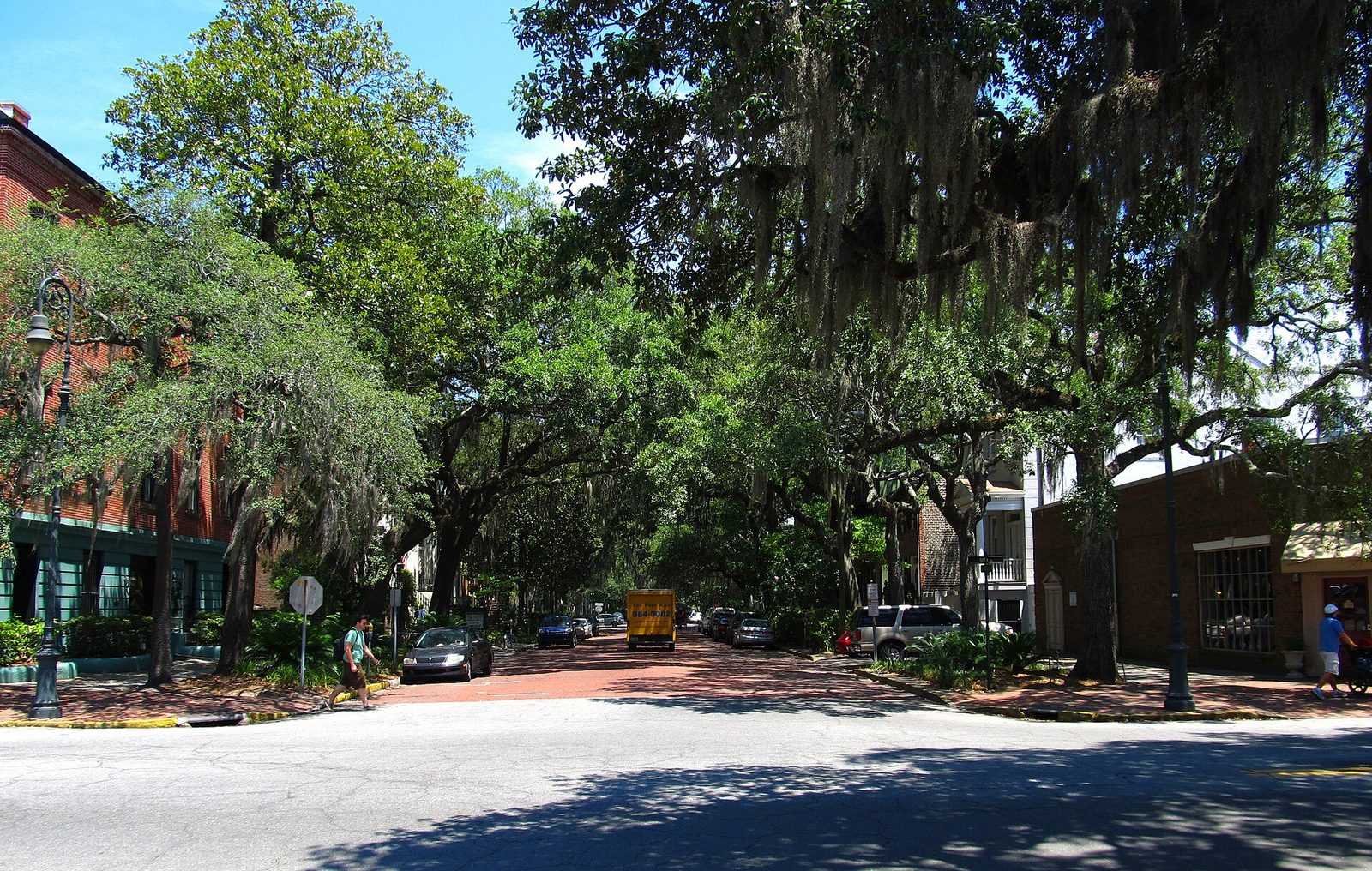
- City walking in Atlanta and Savannah. March to May and October to November. Both cities are on foot for most of what makes them worth visiting, and July makes that a chore.
- Fishing. Year-round, and winter is genuinely good on the tailwaters below Buford and Blue Ridge dams. Remember that trout water needs a trout license on top of the basic one.
- Photography in the mountains. Late October for color, and December to February for the long views, when bare hardwoods open up overlooks that are a wall of green from May onward.
Daylight, and why it matters more here than you expect
Georgia sits at the western edge of the Eastern time zone, which pushes sunset unusually late for the longitude. Around midsummer the sun sets in Atlanta at roughly a quarter to nine in the evening; around the winter solstice it is gone by about half past five. Savannah, further east, runs ten to fifteen minutes ahead of that in summer.
Two practical consequences. In June and July you get a genuinely long evening, which is why a Georgia summer day can be planned as a morning outdoors, a long shaded middle and a second outdoor session after six when the heat has broken. And in December and January the useful day is short — a mountain drive that takes four hours of daylight needs to start before ten, and arriving at a campground or a trailhead in the dark is easier to do by accident than it sounds.
What to pack, by season
- Spring. Layers — mornings in the mountains are cold when afternoons in Atlanta are warm. Rain shell. Allergy medication if you are susceptible, because the pollen fortnight is not subtle.
- Summer. Light, loose, light-colored clothing; a brimmed hat, which is as much about gnats as sun; insect repellent; a rain shell for the afternoon storm; and something warmer for mountain evenings, which are genuinely cool.
- Fall. Layers again, plus blaze orange if you will be on national forest or wildlife management area trails after mid-October.
- Winter. A proper coat for the mountains and a fleece for the coast. They are not the same trip. Waterproof footwear for the mountains, where ice and mud are the two conditions.
The two weeks nobody books
Two windows in the Georgia calendar are reliably good and reliably overlooked, and both exist because they sit just outside a famous period.
The first week of November. The foliage crowds have gone home after the last October weekend, the lower-elevation color around Dahlonega, Ellijay and Blue Ridge is still worth the drive, Atlanta averages 64°F by day and the coast 70°F, and rates have dropped back from peak. It is the single best value week of the year for a mountain trip, and the only cost is that the very highest ridges are past their best.
The second half of February into early March. Too early for spring in most people’s minds, and yet the coast is already comfortable — Savannah averages 65°F in February — the crowds have not arrived, rates are at their annual low, and the insects have not started. The trade-off is that inland and mountain weather is still genuinely wintry and the trees are bare.
Both of those weeks share a characteristic worth naming: nothing is sold out. In a state where the good October weekends are gone a year ahead and Savannah’s spring weekends carry minimum stays, being able to book three weeks out and get what you want is itself a significant part of the value.
What a week actually looks like, by season
A week in late April
Warm days in the low seventies to high seventies, cool mornings, and a good chance of one or two afternoons of rain. Dogwood and azalea out in the Piedmont, waterfalls at full flow, the mountains green and not yet humid, the coast in the high seventies. Everything is open, nothing is crowded in the way October is, and you can reasonably plan both mountains and coast in the same trip. The pollen may still be about.
A week in mid-July
Highs near ninety everywhere and low nineties below the Fall Line, humid from waking to sleeping, with storms building most afternoons. The functional plan is mornings outdoors, middle of the day indoors or in water, evenings out again after six. The mountains are the exception and are genuinely pleasant. Gnats south of the Fall Line. Beaches and lakes busy. This is a perfectly good week if the trip is built around water and a bad one if it is built around walking.
A week in late October
Highs in the mid-seventies in Atlanta, cool nights, low rainfall, and the best color of the year in the high country. It is also the most crowded and most expensive week in the mountains, with heavy weekend traffic on the two-lane roads into Helen and Blue Ridge. Midweek transforms it. Bring layers — a 74°F afternoon in Atlanta can be a 45°F morning at Black Rock Mountain.
A week in late January
Cold inland, mild on the coast, and the cheapest week of the year. Atlanta averages 54°F by day; Savannah 61°F. Mountain roads may be closed by ice, and the mountain overlooks are at their best when they are not. The coast is the standout: Cumberland Island, Jekyll and the Golden Isles in January are mild, empty and free of every insect that makes summer difficult. Shorter days are the main constraint.
The worst times to visit, and the exceptions
- South Georgia and the inland Coastal Plain in July and August. Heat, humidity, storms and gnats together. The exception: if the whole trip is water — Jekyll, a lake, the Okefenokee at dawn — it still works.
- The mountains on an October weekend, unbooked. There will be nothing left and the roads will be full. Take a Tuesday instead.
- The coast in early September, if your plans cannot move. Peak hurricane climatology. Fine if you are flexible and insured, poor if you are not.
- Anywhere in the state during the pollen fortnight, for allergy sufferers. Late March to mid-April. The rest of Georgia’s spring is worth it; that specific fortnight is not, for some people.
- A mountain byway trip in January without checking conditions. Ice closes GA 348 and GA 180 with little notice, and the closures are badly advertised.
Frequently asked questions
What is the overall best month?
April, and specifically the second half of it. Comfortable temperatures in all four regions at once, everything open, blooms out, waterfalls running and none of October’s crowding. November’s first week is the runner-up and is cheaper.
When does fall color actually peak?
Late October in the higher north Georgia counties — Rabun, Union, Towns — and roughly a week later in the lower mountain country around Dahlonega and Ellijay. That is about a fortnight after the Great Smoky Mountains, which is the single most common foliage-timing mistake visitors make here. The date moves with the weather, so watch a forecast in early October rather than booking on a guess in June.
Is Georgia too hot in summer?
Below the Fall Line, close to it for most outdoor plans, with July averages of 92.9°F in Columbus before humidity. The mountains are not: ten to fifteen degrees cooler than Atlanta, and summer is a perfectly good time to be in them. The rest of the state works in July if you treat the middle of the day as indoor or in-water time.
Does it snow in Georgia?
Occasionally in the north Georgia mountains, rarely and briefly in Atlanta, and almost never on the coast. The practical issue is not accumulation but ice on the mountain roads, which closes GA 348, GA 180 and the high reaches of GA 60 without much warning. Georgia 511 at 511ga.org is the source to check.
When is the cheapest time to come?
Mid-January to early March, especially on the coast, where the weather stays mild — Savannah’s January normal high is 61.4°F — and rates and crowds are at their lowest. The first half of December is the inland equivalent.
Should I worry about hurricanes?
Plan rather than worry. The season runs 1 June to 30 November with a peak from mid-August through September, and the Georgia coast is hit directly less often than its neighbors because of the shape of the coastline. If you are on the coast in that window, insure the trip, watch the National Hurricane Center, and know that the barrier island causeways are evacuated early.
When is the best time for hiking and waterfalls?
March to May. Waterfalls run hardest in spring, the walking temperatures are comfortable, and the trails are not yet subject to heat index or biting insects. Late October is the scenic alternative, with the caveat that everything is busier and you will want blaze orange on national forest trails.
Which month has the fewest crowds?
February statewide, and the first half of December inland. Both avoid every fixed point on the Georgia calendar, both have low rates, and the coast in February is mild enough to be genuinely enjoyable rather than merely tolerable. The trade is shorter days and, inland, cold evenings.
How far ahead should I book for an October mountain trip?
About a year. State park cottages and campsites open 13 months ahead, 14 for Georgia residents, and the good ones go quickly. Private cabins in Blue Ridge and Helen should be booked by June. If you are reading this in August for an October trip, take a midweek stay — availability is often wide open Monday to Thursday in the same parks and towns.
Is it worth timing a trip around the cherry blossoms in Macon?
If you are already coming in late March, yes — roughly 350,000 Yoshino trees in one mid-sized city is a genuine spectacle and the festival runs ten days. As the reason for the whole trip, it is riskier: the trees bloom when they bloom, the festival dates are fixed in advance, and the two do not always align. Check cherryblossom.com for the current year rather than assuming, and have a second reason to be in middle Georgia that week.
How much does the weather vary from these averages?
Substantially, week to week. Normals are thirty-year averages, so a January week in Atlanta can run fifteen degrees either side of the 54°F figure, and an October that peaks in the third week one year can peak in the first week of November the next. Use the tables above to choose a month and a current forecast to pack for the week — and for anything built around foliage or blooms, check a live forecast in the fortnight beforehand rather than booking on a historical date.
Several of the fixed points in this calendar do more to hotel rates than the weather does, and a few of them — Oktoberfest running for seven weeks, the Apple Festival splitting across two weekends — are routinely described wrongly elsewhere. Our guide to Georgia festivals lists the events worth traveling for with confirmed 2026 dates, marks the expected windows as expected, and explains how to verify a date before booking.
Season is only half the decision. The rest is logistics — which airport you fly into, whether you need a car, what a week actually costs and which weather risks are worth insuring against. Our Georgia trip planning guide covers all of that, including hurricane season on the coast, ice events in metro Atlanta and the heat rules that reshape a summer itinerary.
October is the month people plan a Georgia trip around, and the most common mistake is planning it against a Great Smoky Mountains forecast — north Georgia runs roughly a fortnight behind. Our north Georgia fall foliage scenic drive guide explains the elevation sequence, which trees turn when, and how to salvage a day when the summits are in cloud.
Related Georgia Guides
- Best Things to Do in Georgia — the statewide overview, season by season.
- North Georgia Mountains Travel Guide — the coolest region in summer and the busiest in October.
- Georgia Beaches & Islands — the coast, including the shoulder-season case.
- Best Waterfalls in Georgia — at their best in spring.
- Best Hiking in Georgia — including hunting-season safety.
- Camping & RV Travel in Georgia — the booking window that October demands.
- Georgia Lakes, Rivers & Water Adventures — where to go when it is too hot to walk.
- Where to Stay in Georgia — how rates move with the seasons above.
- Georgia Road Trips & Scenic Drives — which drives suit which season.
- Savannah Travel Guide — the city with the mildest winter in the state.
Photo Credits
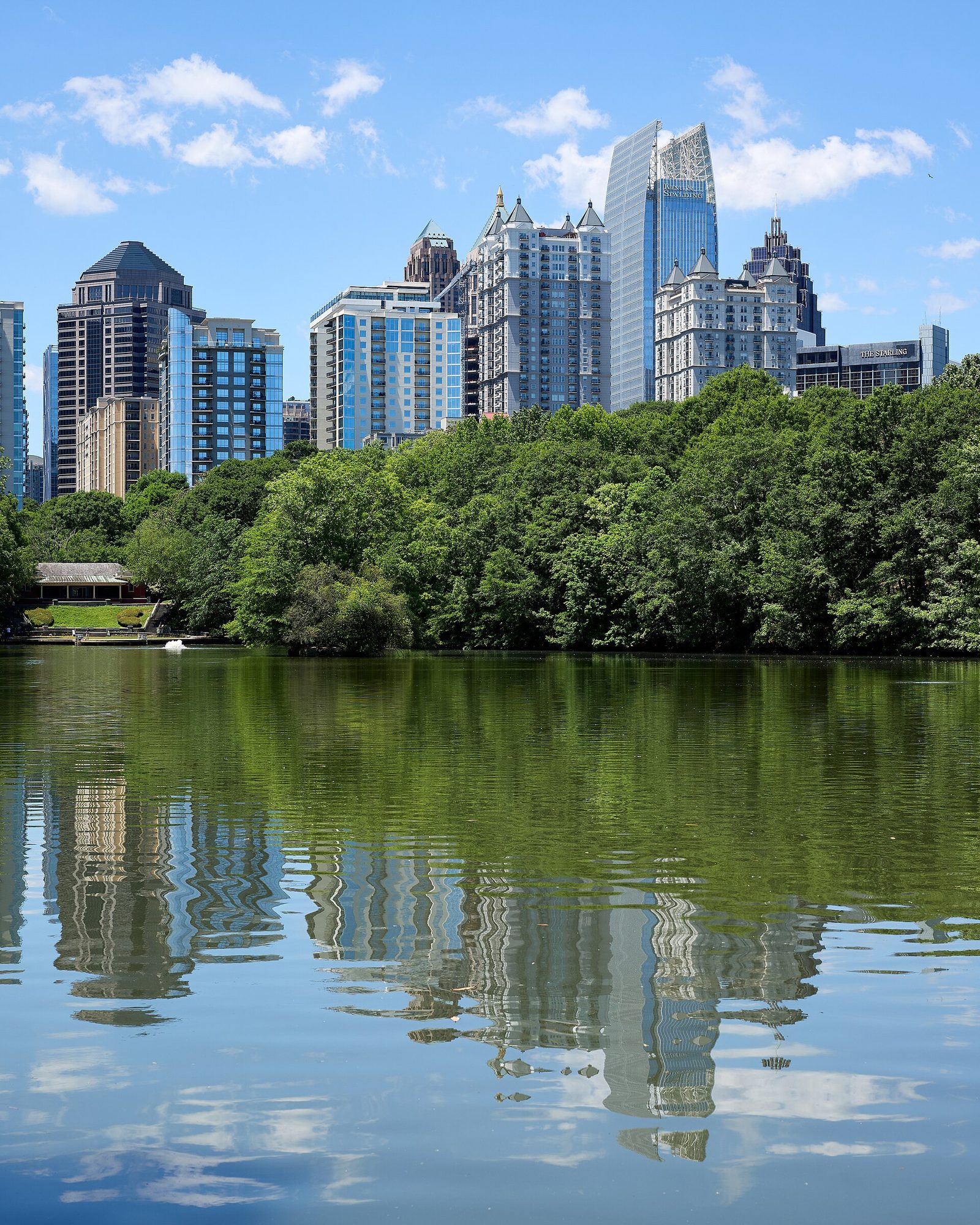
Lake Clara Meer in Piedmont Park, Atlanta: photo by Frank Schulenburg / Wikimedia Commons (CC BY-SA 4.0)
The Midtown Atlanta skyline from Piedmont Park in March: photo by Thomson200 / Wikimedia Commons (CC0)
Early fall color in the Blue Ridge Mountains, seen by MODIS: image by MODIS Land Rapid Response Team, NASA GSFC / Wikimedia Commons (Public domain)
The beach and boardwalk on Jekyll Island: photo by normanack on Flickr / Wikimedia Commons (CC BY 2.0)
Sources: NOAA National Centers for Environmental Information, 1991–2020 U.S. Climate Normals, monthly, for Atlanta Hartsfield International Airport, Columbus Metropolitan Airport and Savannah International Airport; NOAA National Hurricane Center; Georgia Emergency Management and Homeland Security Agency; Georgia Department of Natural Resources, State Parks & Historic Sites Division and Wildlife Resources Division; Helen Chamber of Commerce; Macon International Cherry Blossom Festival; Georgia 511. Checked September 2026.
Georgia Tourism Guide is an independent publication. We are not affiliated with Explore Georgia, the Georgia Department of Natural Resources, the National Park Service or any attraction listed here.