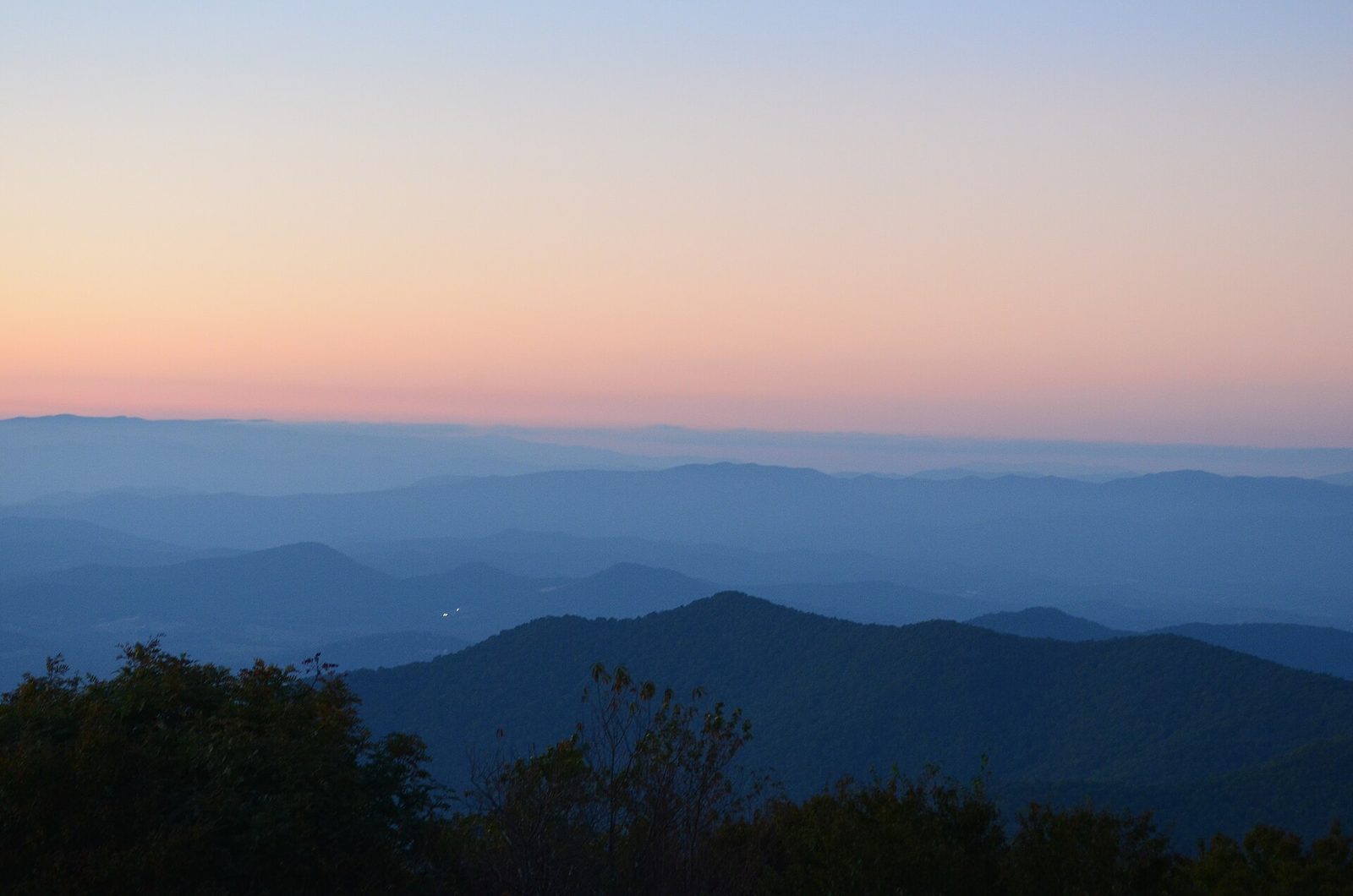
Almost every list of the best places to visit in Georgia contains the same five entries: Atlanta, Savannah, Helen, Blue Ridge, the Golden Isles. They are all genuinely good. They are also roughly nine percent of the state, and the list-makers rarely tell you how many nights any of them is actually worth, which airport to fly into, or that two of them are four and a half hours apart. This page is the other version — 35 destinations across five regions, each with the nights it earns, the nearest airport, the drive from Atlanta and the month to go.
Two quick clarifications before the list. This is the US state in the Southeast, not the country on the Black Sea — the search results mix them constantly. And this is a travel guide: if you arrived looking for the best places to live in Georgia, with schools and commutes and cost of living, none of the criteria below will help you, because a town that is a delight for three days can be a different proposition for thirty years.
Prices, hours and access rules were checked in September 2026 and are dated where they appear. Drive times assume you are not sitting in I-285 traffic, which is an optimistic assumption between about 15:00 and 19:00.
How to Use This Shortlist
Rather than reading all 35, start with what you actually want out of the trip.
| If you want… | Go to | Skip |
|---|---|---|
| One walkable city, no car | Savannah, then Atlanta | Everything else — the state assumes a car |
| Mountains and waterfalls | Clayton, Blue Ridge, Dahlonega | Helen, unless the river or Oktoberfest is the point |
| Empty beach | Cumberland Island, Jekyll, Little St. Simons | Tybee in July |
| History you have not already read | Ocmulgee at Macon, Sapelo, Andersonville | Generic “antebellum” house tours |
| Food worth planning around | Atlanta, Athens, Savannah, Thomasville | Anywhere on an interstate exit |
| A weekend from Atlanta | Madison, Senoia, Dahlonega, Pine Mountain | The coast — it is too far for two nights |
| Somewhere with no crowds at all | Lumpkin, Darien, Folkston, Milledgeville | Blue Ridge in late October |
| To see the state in one week | Atlanta → north Georgia → Savannah → Jekyll | Trying to add the southwest to that loop |
If your question is what to do once you have chosen, the companion piece is our guide to the best things to do in Georgia, which covers activities, fees and reservations in detail. This page is about deciding where to point the car.
The Five Regions
Georgia divides into five parts that behave differently as trips. The dividing line that matters most is the Fall Line — the old prehistoric shoreline running through Columbus, Macon and Augusta. North of it: red clay, hills, granite, hardwood. South of it: sand, pine plantations, blackwater rivers, and from May to October a gnat population that Georgians talk about the way other states talk about weather.
- Metro Atlanta — the only part of the state with real public transport, and the only part where you can fill three days inside a five-mile radius.
- The North Georgia Mountains — the southern tail of the Blue Ridge. Close to Atlanta, crowded on fall weekends, genuinely quiet midweek.
- Middle Georgia and the Classic South — Macon, Athens, Augusta and a scatter of preserved small towns. The most underrated region in the state.
- The Coast and the Golden Isles — Savannah plus a chain of barrier islands that range from resort to roadless.
- South and Southwest Georgia — the emptiest quarter, holding a canyon, a swamp with a UNESCO listing, and three presidential sites.
Metro Atlanta
Atlanta is the entry point for most trips and worth two or three nights on its own. The case for it is not the skyline, which you cannot see from anywhere useful, but the density of things you cannot do elsewhere: the Martin Luther King, Jr. National Historical Park, the National Center for Civil and Human Rights, the BeltLine’s Eastside Trail, and a restaurant scene that has outgrown the “Southern food” shorthand. Base in Midtown or the Old Fourth Ward and use MARTA. Two nights minimum, three if you want a museum day.
Which neighborhood you pick changes the trip more than the hotel does. Midtown puts you within walking distance of Piedmont Park, the High Museum and the Fox Theatre, and on the rail line. The Old Fourth Ward puts you on the BeltLine and a ten-minute walk from the King sites. Downtown is convenient for the Aquarium and the convention district and fairly dead after dark. Buckhead is for shopping and a certain kind of restaurant, and is a long way from everything else. Avoid booking somewhere off I-285 on price alone — the saving evaporates the first time you drive in at 16:00.
Decatur, six miles east and on the MARTA line, is what people mean when they say they want somewhere walkable with good food and no tourists. A courthouse square, independent bookshops, a very high restaurant-per-capita ratio. It is a place to stay rather than a place to sightsee, and it is often cheaper than downtown.
Marietta and Kennesaw, twenty miles northwest, pair a restored 1850s square with Kennesaw Mountain National Battlefield Park, where the earthworks are still legible in the ground and the summit trail gives you the best view of the Atlanta skyline from outside the city. A half-day, easily.
Roswell holds a preserved mill village on Vickery Creek with a genuinely good riverside trail system. Worth a morning if you are already north of the city.
Senoia, forty miles south, is a small town that became a filming location — most famously as Woodbury in The Walking Dead — and has leaned into it. If you have no interest in the shows, the square is pleasant and you will wonder what the fuss is. If you do, it is a genuine pilgrimage. Honest about which one you are.
The North Georgia Mountains
Blue Ridge has the best main street in the region: a restored depot, the Blue Ridge Scenic Railway along the Toccoa River, and a cabin-rental industry that has made it the default north Georgia weekend. Two nights. Book far ahead for October, when the whole region is fully committed.
Dahlonega was the site of America’s first significant gold rush in 1828, two decades before California, and the courthouse square is now the center of Georgia’s wine country — roughly thirty wineries within an hour. The Dahlonega Gold Museum occupies the old courthouse. One or two nights, and a better base than Helen if wine and walkable evenings matter.
Helen needs saying plainly. It is a former timber town that reinvented itself in 1969 as a replica Bavarian village, and the main street is exactly as authentic as that sounds — a strip of souvenir shops behind fake half-timbering. What is genuinely good: tubing the Chattahoochee through town on a hot afternoon, Unicoi State Park, Anna Ruby Falls next door, and an Oktoberfest that is the longest-running in the South. Come for the river and the surroundings. Do not come for the architecture.
Clayton and the rest of Rabun County are the quieter, higher, more serious version of north Georgia — Tallulah Gorge, Black Rock Mountain (the highest state park in Georgia), the Chattooga River, and lakes Burton and Rabun. This is where Atlantans with money have summer houses. Two nights, more if you are hiking.
Ellijay is apple country: dozens of orchards, and in September and October a weekend traffic pattern that has to be planned around. Outside apple season it is quiet and cheap.
Rome sits at the confluence of three rivers in the northwest, with a riverwalk, a clocktower on a hill and Berry College — whose 27,000-acre campus is the largest in the world and has a resident bald eagle nest with a long-running webcam. A pleasant overnight, rarely on anyone’s list.
Lookout Mountain and Cloudland Canyon, in the far northwest corner, deliver the most dramatic overlooks in the Georgia state park system and a punishing staircase down to two waterfalls. Chattanooga’s airport is closer than Atlanta’s. One night, or a long day trip if you are passing.
Middle Georgia and the Classic South
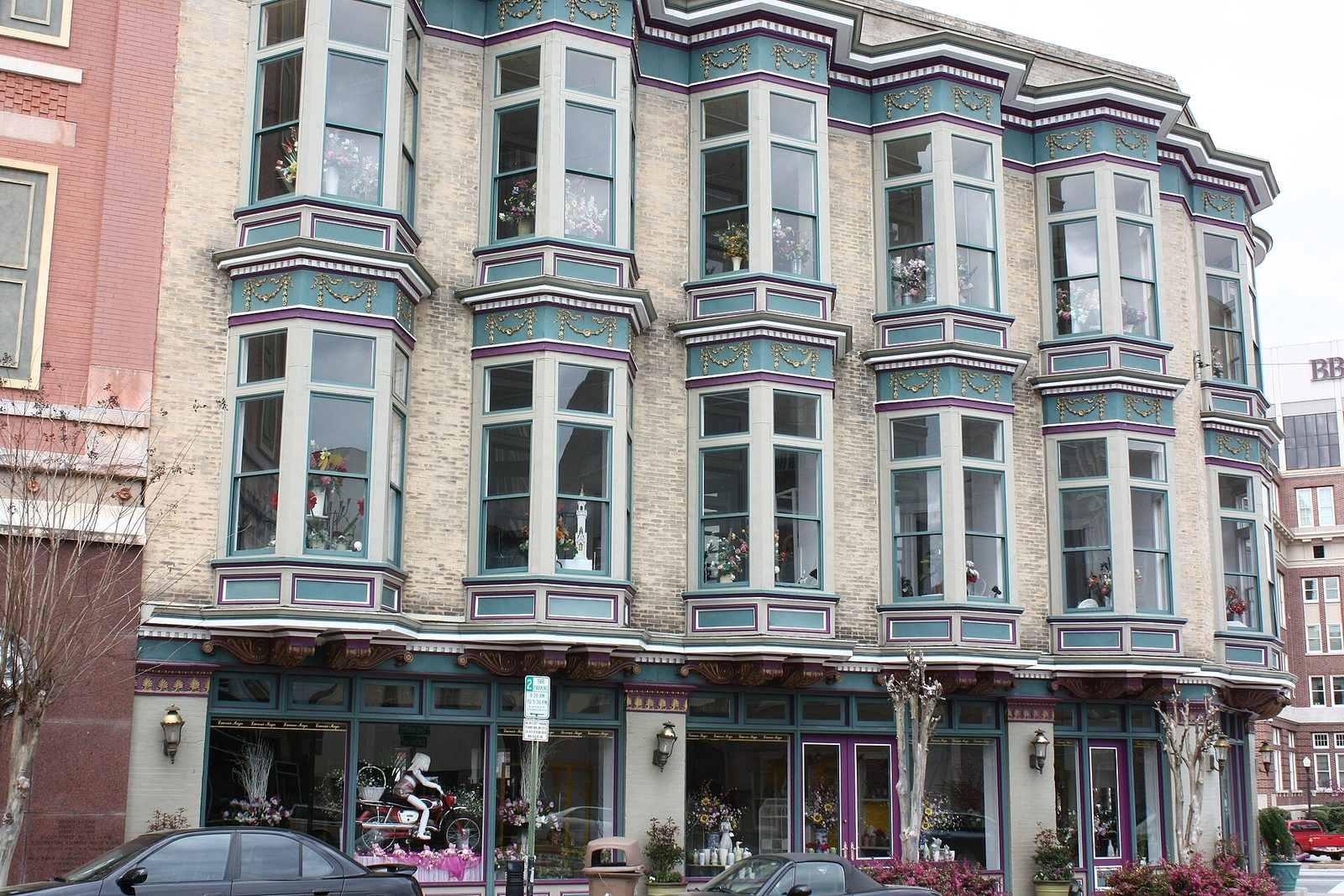
Macon is the strongest argument in this article. It has one of the largest intact historic districts in the country, the Hay House, a serious music lineage — Little Richard, Otis Redding, the Allman Brothers Band, whose house is now a museum — and Ocmulgee Mounds National Historical Park, where you can walk into a reconstructed earth lodge and sit on a clay floor around a thousand years old. There is live legislative news attached: a bill introduced in June 2026 would redesignate Ocmulgee as Georgia’s first national park with an adjoining preserve, and as of September 2026 it sits in committee.
Macon also has about 350,000 Yoshino cherry trees, which bloom in late March and anchor a ten-day festival. The 2026 edition ran 20–29 March; the 2027 dates had not been announced when this was written, so check cherryblossom.com rather than booking on a guess. Two nights, and it is eighty-five miles from Atlanta — a genuinely easy add.
Athens, seventy miles east of Atlanta, produced R.E.M., the B-52s, Widespread Panic and Drive-By Truckers, and the 40 Watt Club still books most nights of the week. The State Botanical Garden of Georgia is free. The thing to check before booking anything is the football schedule: on home Saturdays the town roughly doubles and room rates triple. One or two nights.
Augusta is a river city that becomes the center of world golf for one week in April. Be realistic about the Masters — the lottery is the only official route, applications run 1–20 June for the following year, and most people do not get drawn. The other fifty-one weeks you get the Riverwalk, the Lucy Craft Laney Museum and a walkable downtown. One night.
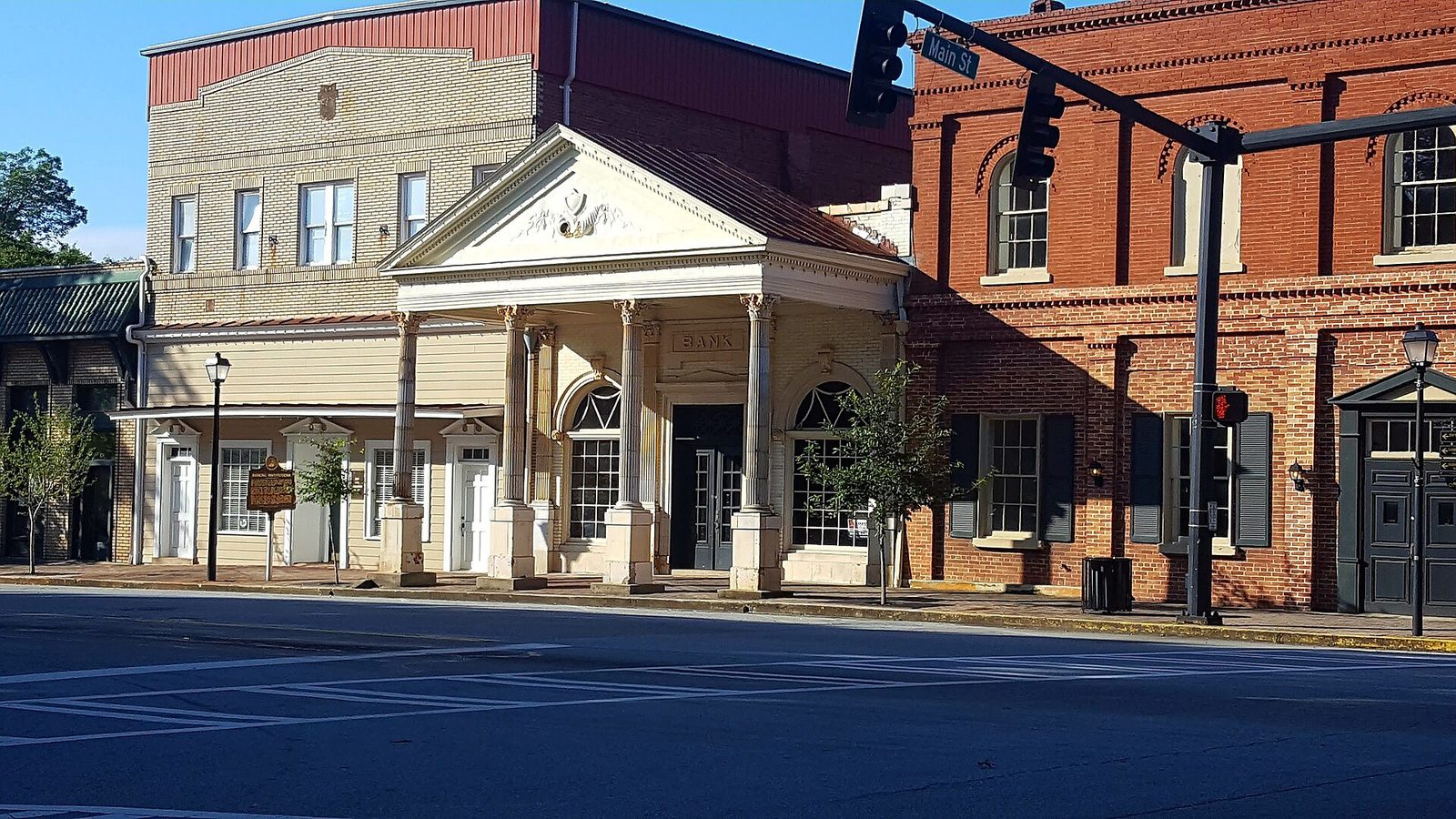
Madison, an hour east of Atlanta on I-20, is the best-preserved small town in the state and markets itself as “the town too pretty to burn.” That story is not true, and the real one is better. Sherman’s left wing, under Major General Henry Slocum, came through and burned the cotton gin, the depot and everything else supporting the Confederate war effort — but not the houses. The reason was Joshua Hill, a Madison resident and pro-Union congressman with a connection to Sherman’s brother in Congress, who had arranged it in advance. The antebellum houses survived on politics. A perfect one-night stop.
Milledgeville was Georgia’s capital from 1804 to 1868, which is why a town of 19,000 has a Gothic-revival former statehouse. It is also where Flannery O’Connor wrote most of her work; Andalusia, the farm, is open to visitors. Quiet, cheap, and almost never on a list.
Eatonton and Juliette are literary-and-film footnotes worth an hour each if you are passing: Eatonton for Alice Walker and Joel Chandler Harris, Juliette for the Whistle Stop Cafe from Fried Green Tomatoes, which is a real restaurant and does serve fried green tomatoes.
The Coast and the Golden Isles
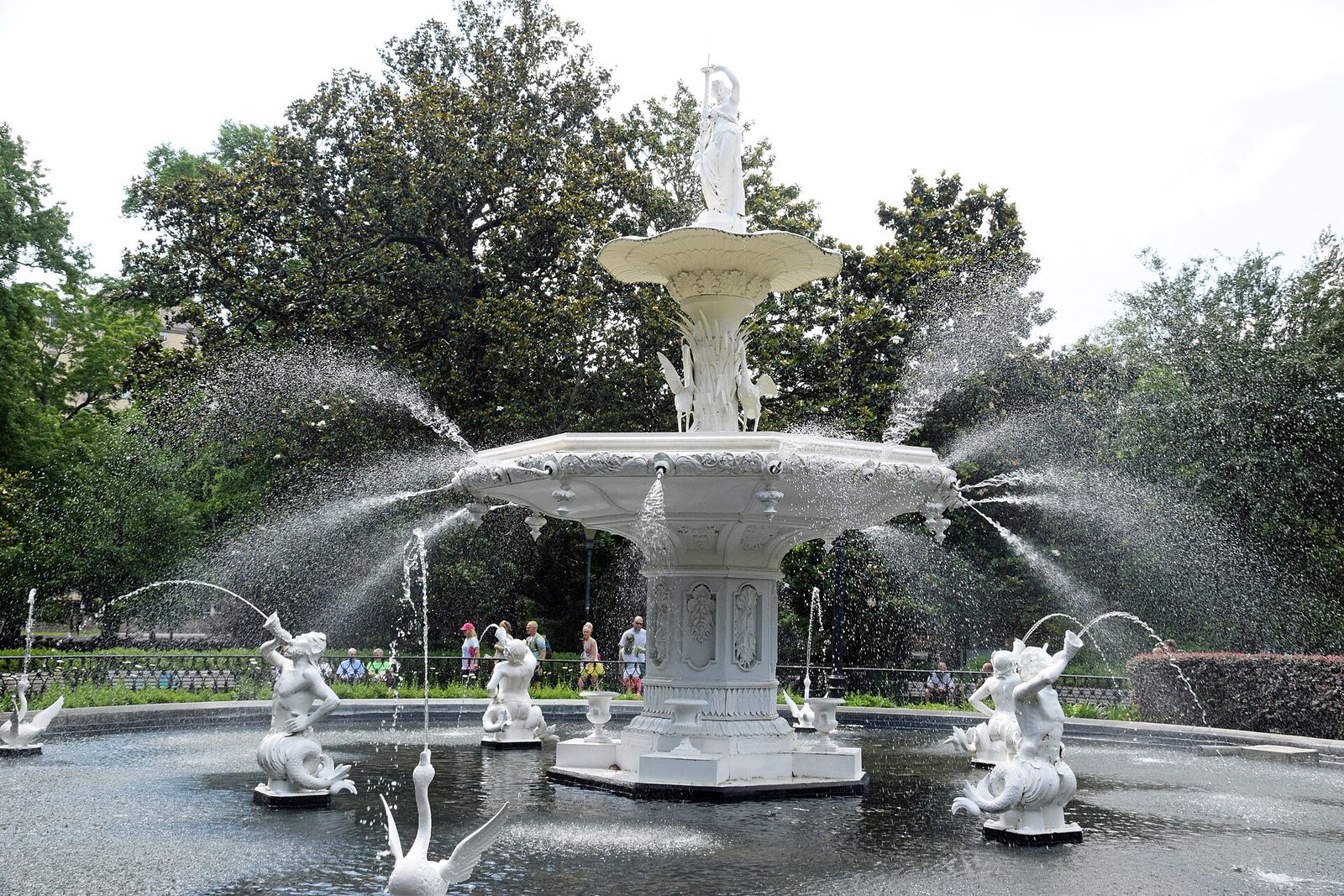
Savannah is the reason many people come to Georgia and it earns the billing. The 1733 town plan survives largely intact: a grid interrupted every few blocks by a public square, 22 of them still standing, shaded by live oaks. It is one of the few American cities where wandering without a plan is the right strategy. Three nights is ideal, two is enough, one is a waste of a four-hour drive. Stay inside the Historic District if the budget allows — the whole point is stepping out of the door into it — with the Starland District a cheaper, more residential alternative about a mile south. The Victorian District between them has the best-value inns. Be realistic about the surface underfoot, though: this is a walking city paved in brick and ballast stone, and it punishes bad shoes. Note that Georgia’s state historic sites — Wormsloe and its oak avenue among them — charge per-person admission and are not covered by the state park ParkPass.
Tybee Island, eighteen miles east, is Savannah’s beach: unpretentious, a little scruffy, with a climbable lighthouse. It is fine. If the Golden Isles are already on your route, you can skip it without regret.
Darien is a shrimping town at the mouth of the Altamaha with a tabby-ruin fort, a working waterfront and almost no tourism infrastructure, which is the appeal. It is also the jumping-off point for Sapelo.
Sapelo Island comes with a gate most lists omit: you cannot simply buy a ferry ticket and wander. Access is by passenger ferry from the Sapelo Island Visitors Center in McIntosh County — about seven miles, twenty minutes — and you must be on an organized tour or the guest of a resident. State-run tours run Wednesday mornings and Saturday mornings, with Saturday needing a reservation through the visitor center. What you are going for is Hog Hammock, a Gullah-Geechee community of roughly forty-five people descended from people enslaved on the island, and the last of its kind. Go respectfully or do not go.
St. Simons Island is the busy, residential Golden Isle — a lighthouse, a pier village, an avenue of oaks, and the most restaurants of the group. Easy with children. Sea Island next door is a private resort; unless you are staying there, it is closed to you and not worth planning around.
Jekyll Island is state-owned with a cap on development, so it stays quiet. Entry is $10 per vehicle per day or $100 a year, with $5 added on designated event days, and it is free on foot or by bicycle. Driftwood Beach on the north end — a stretch of eroded shoreline where the forest has fallen onto the sand and bleached — is best about an hour after sunrise. The Georgia Sea Turtle Center is a working rehabilitation hospital rather than an aquarium, and better for it. Two nights.
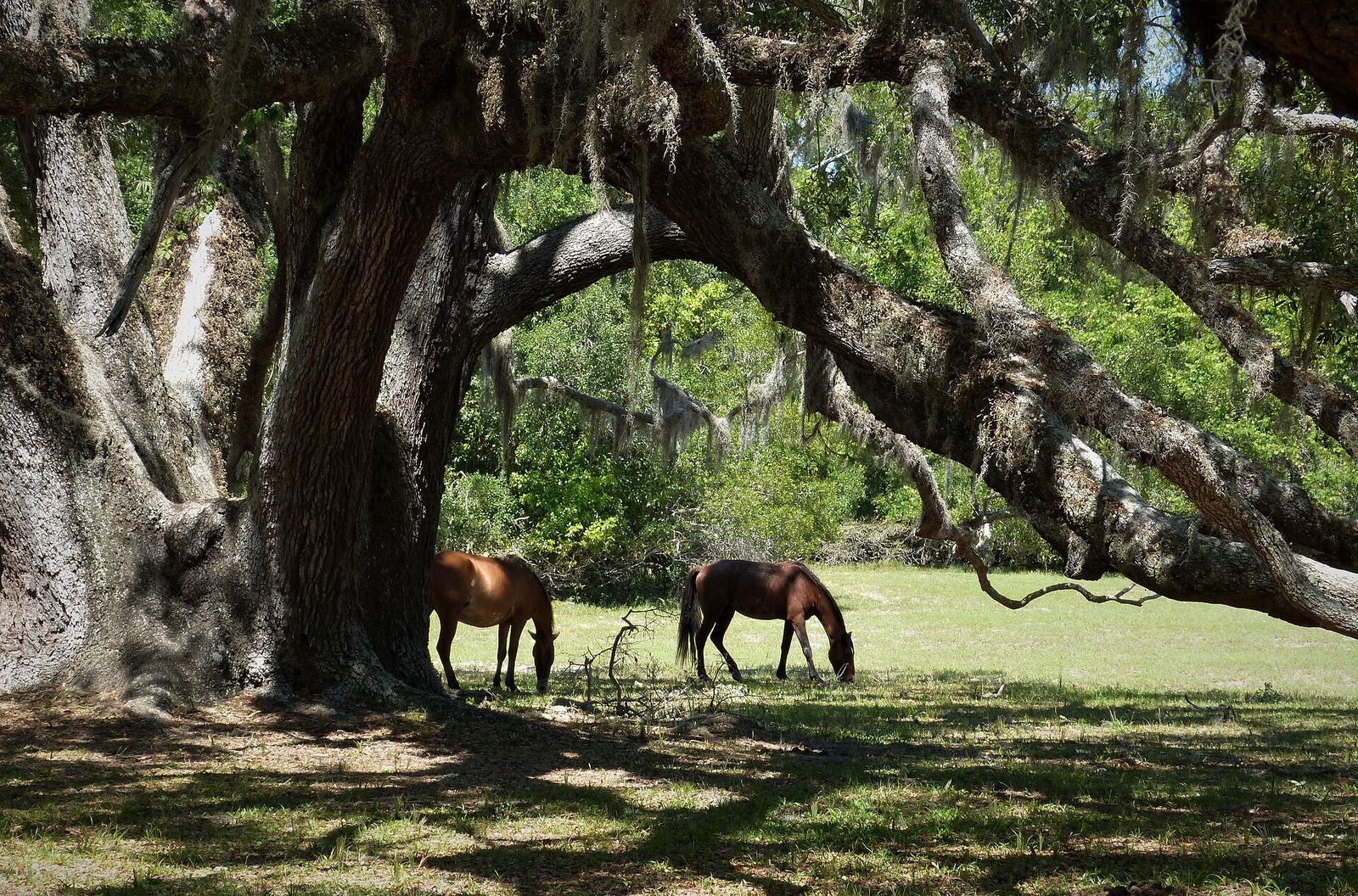
St. Marys and Cumberland Island close out the coast and the island is the best day on it. Cumberland is a National Seashore reached only by a forty-five-minute ferry from St. Marys, and the logistics are unforgiving: entrance is $15 per person for seven days, the ferry is $44 plus tax for adults, reservations open six months ahead and sell out, the park is cashless, and there is no food, no water and no shop on the island. Carry everything off the boat. What you get is eighteen miles of undeveloped barrier island — maritime forest, salt marsh, empty beach, the ruins of the Carnegies’ Dungeness estate, armadillos and feral horses.
South and Southwest Georgia
This is the quarter that gets left off, and it holds three of the most distinctive places in the state.
Columbus has 2.5 miles of dam-released Class II–V whitewater running through the middle of downtown, billed as the longest urban whitewater course in the world. Whitewater Express is the only guided operator; rates move seasonally, so book direct. The riverwalk beside it is free and good even if you never get in a boat. The National Infantry Museum is better than it sounds. One or two nights.
Pine Mountain and Callaway Gardens give you 2,500 acres of managed gardens, a butterfly conservatory and a long bike trail — the most family-reliable stop in this half of the state. Warm Springs, a few miles north, preserves the Little White House where Franklin Roosevelt came for polio treatment and where he died in 1945. His unfinished portrait is still on the easel.
Plains and Andersonville sit within half an hour of each other and are best done together. Plains is a town of about six hundred people that produced a president; the Jimmy Carter National Historical Park covers the boyhood farm, the high school and the train depot that served as his 1976 campaign headquarters. Andersonville was the Confederacy’s deadliest prison camp and is now the National Prisoner of War Museum. Neither is cheerful. Both are worth the drive.
Lumpkin and Providence Canyon hold the strangest landscape in Georgia: sixteen gullies up to 150 feet deep, walls banded pink, orange, lavender and white, all of it caused by nineteenth-century farming that stripped the topsoil and let rain cut into soft coastal-plain sediment. It is an accidental canyon and an object lesson. The floor trail is usually ankle-deep in orange mud — wear shoes you do not care about.
Thomasville, near the Florida line, was a Gilded Age winter resort and kept the architecture: brick streets, a 340-year-old live oak, a genuinely good restaurant scene for a town of 18,000, and the surrounding quail plantations. It is closer to Tallahassee than to Atlanta and is the best overnight in south Georgia.
Folkston and the Okefenokee close the list. The refuge was inscribed as a UNESCO World Heritage Site on 25 July 2026 — the 27th in the United States — and covers 353,981 acres of peat bog, almost all of it designated Wilderness. Entry is $5 per vehicle for seven days at the Folkston entrance. The refuge runs no tours of its own, so you go with an outfitter or through Stephen C. Foster State Park on the west side, which is also a certified Dark Sky Park. Low water has been restricting boat and trail access, so call before driving four and a half hours.
When Each Region Peaks
Georgia’s seasons do not arrive everywhere at once. The state runs about 300 miles north to
south and the coast stays warm weeks after the mountains have turned, so the same month can be
the best and the worst time to travel depending on where you point the car.
The north Georgia mountains peak twice. Late October into the first week of
November is fall color — roughly a fortnight later than the Smokies, which is useful if you
missed it further north — and it is the single busiest fortnight of the year up there. Cabins
in Blue Ridge and Ellijay book months out and GA-60 and the Richard Russell Scenic Highway back
up on Saturday afternoons. The quieter peak is late spring: waterfalls still running hard from
winter rain, mountain laurel and rhododendron out in May and June, and nobody there midweek.
Winter is genuinely cold at elevation and brings occasional ice on the mountain roads, but it
is also when the waterfalls are fullest and the leafless canopy opens up views you cannot get
in August.
The coast and the islands run on a different calendar. April and May are
close to perfect. June through August is hot, humid and busy, with water warm enough to swim
and afternoon thunderstorms most days. September is still warm and much quieter, but it is the
statistical peak of Atlantic hurricane season, so coastal plans made for September should stay
flexible and refundable. October and November are excellent and underused. Winter on Jekyll and
St. Simons is mild, cheap and half-empty, though some operators cut their hours.
Atlanta and Middle Georgia are at their best in April and October. The
caveat for spring is pollen: the northern half of the state produces some of the highest counts
in the country in late March and early April, everything outdoors turns visibly yellow, and it
is miserable if you are sensitive. Macon’s cherry blossoms are the compensation, and they come
just before the worst of it.
South and southwest Georgia invert the pattern. March and November are the
sweet spots, and the Okefenokee is better in the cool months when the alligators are visible
basking and the biting insects are not. From May to October, everywhere below the Fall Line is
gnat country — small, persistent, and drawn to your face rather than your arms, which is why
repellent designed for mosquitoes does not help much. Locals wear head nets in the swamp and do
not consider it eccentric.
All 35, Compared
Nights are what the place actually sustains, not the minimum you could survive on. Drive times are from central Atlanta, outside peak hours.
| Place | Region | Nights | Nearest airport | From Atlanta | Best month |
|---|---|---|---|---|---|
| Atlanta | Metro | 2–3 | ATL | — | April, October |
| Decatur | Metro | base | ATL | 20 min | April, October |
| Marietta & Kennesaw | Metro | ½ day | ATL | 30 min | March, November |
| Roswell | Metro | ½ day | ATL | 40 min | April |
| Senoia | Metro | ½ day | ATL | 50 min | Any |
| Blue Ridge | North GA | 2 | ATL | 1h45 | Late October |
| Dahlonega | North GA | 1–2 | ATL | 1h15 | October |
| Helen | North GA | 1 | ATL | 1h30 | July (tubing), October |
| Clayton & Rabun | North GA | 2–3 | ATL | 1h50 | June, October |
| Ellijay | North GA | 1 | ATL | 1h30 | September |
| Rome | North GA | 1 | ATL or CHA | 1h15 | April |
| Cloudland Canyon | North GA | 1 | CHA | 1h50 | April, October |
| Macon | Middle GA | 2 | ATL | 1h20 | Late March |
| Athens | Middle GA | 1–2 | ATL | 1h15 | April, October (not game days) |
| Augusta | Middle GA | 1 | AGS | 2h20 | March, October |
| Madison | Middle GA | 1 | ATL | 1h | April, December |
| Milledgeville | Middle GA | 1 | ATL | 1h35 | April, October |
| Eatonton | Middle GA | 1 hr | ATL | 1h20 | Any |
| Juliette | Middle GA | 1 hr | ATL | 1h20 | Any |
| Savannah | Coast | 2–3 | SAV | 4h | April, October |
| Tybee Island | Coast | 1 | SAV | 4h20 | May, September |
| Darien | Coast | 1 | BQK or SAV | 4h20 | April, October |
| Sapelo Island | Coast | day trip | BQK | 4h30 | April, October |
| St. Simons Island | Golden Isles | 2–3 | BQK or JAX | 4h40 | May, September |
| Sea Island | Golden Isles | resort only | BQK | 4h45 | May, September |
| Jekyll Island | Golden Isles | 2 | BQK or JAX | 4h45 | May, September |
| St. Marys | Golden Isles | 1–2 | JAX | 5h15 | March, November |
| Cumberland Island | Golden Isles | day or camp | JAX | 5h15 + ferry | March, November |
| Columbus | Southwest | 1–2 | CSG or ATL | 1h45 | April, September |
| Pine Mountain | Southwest | 1–2 | ATL | 1h20 | April, December |
| Warm Springs | Southwest | ½ day | ATL | 1h25 | April, October |
| Plains & Andersonville | Southwest | 1 | ATL or ABY | 2h15–2h30 | March, November |
| Lumpkin (Providence Canyon) | Southwest | 1 | CSG | 2h30 | October, March |
| Thomasville | South | 1–2 | TLH | 3h45 | April, December |
| Folkston (Okefenokee) | South | 1–2 | JAX | 4h30 | March, November |
How Many Nights You Actually Need
The most common planning mistake in Georgia is the four-day trip that tries to include both Atlanta and the coast. It can be done, but you will spend eight hours in a car for the privilege.
- Two or three nights: one region. Atlanta, or Savannah, or north Georgia. Nothing else.
- Four or five nights: two adjacent regions. Atlanta plus the mountains works well; Savannah plus the Golden Isles works better.
- Seven nights: Atlanta (2) → north Georgia (2) → Savannah (2) → Jekyll (1), flying out of Savannah or Jacksonville. About 600 miles, which is a comfortable week.
- Ten nights: the above plus the Okefenokee, or the above plus a southwest loop. Not both.
- The southwest loop on its own: Atlanta → Warm Springs → Columbus → Lumpkin → Plains → Andersonville → Macon → Atlanta. Four days, about 450 miles, and you will see almost no other visitors.
Airports and Driving
Hartsfield-Jackson Atlanta International is the busiest passenger airport in the world and the default arrival for most of the state, with MARTA running from the domestic terminal into downtown and Midtown. But it is not always the right choice. Savannah/Hilton Head (SAV) saves four hours if the coast is your trip. Jacksonville, Florida (JAX) is under an hour from St. Marys and the Cumberland ferry, and closer to Jekyll than Atlanta is. Chattanooga (CHA) is the sensible entry for the northwest corner, and Tallahassee (TLH) for Thomasville. Brunswick Golden Isles (BQK), Columbus (CSG), Augusta (AGS) and Albany (ABY) all have limited regional service worth pricing.
Three driving notes that save real time. I-285, the Atlanta perimeter, congests well outside conventional rush hours and afternoon delays routinely start by 15:00. I-16 between Macon and Savannah is 160 miles of almost nothing — fuel and eat in Macon. And the state is large enough that “two hours away” reliably means two and a half.
Accessibility Notes
Worth knowing before you commit, because this varies more than most guides admit.
- Savannah is flat but the historic district is paved in brick, cobble and ballast stone, and many squares have curbs without ramps. River Street’s cobbles and stairs are genuinely difficult; there is a lift at the Hyatt and a ramp at the east end.
- Atlanta is the strongest choice for step-free travel: MARTA stations have lifts, the BeltLine is a graded former rail corridor, and the major museums are fully accessible.
- Cumberland Island has a limited-mobility vehicle tour available by advance arrangement with the park, but the ferry, the sand roads and the distances make an unassisted visit hard.
- The Okefenokee boardwalk at the Folkston entrance is accessible; the boat tours require a transfer.
- Providence Canyon has an accessible rim overlook, but the canyon floor is not reachable without descending a rough trail.
- Tallulah Gorge‘s North Rim trail has accessible overlooks; the gorge floor requires a permit, 600 stairs and closed-toe shoes.
- Jekyll Island has beach wheelchairs available free at the Georgia Sea Turtle Center and the flattest island cycling in the state.
Places That Get Over-Recommended
An honest shortlist has to say what falls off it.
- Helen’s main street. The river and the state parks around it are excellent. The Bavaria is a shopping strip.
- Tybee Island, if the Golden Isles are also on your route. It is a good local beach competing with better ones an hour and a half south.
- Sea Island. Frequently listed, effectively inaccessible unless you are a resort guest.
- Stone Mountain as a headline destination. The hike and the park are worth a morning, but the carving is a Confederate memorial on a mountain where the Klan was refounded in 1915, and visitors deserve to know that before arriving rather than after.
- Augusta in Masters week, unless you hold a badge. Room rates multiply and you will not get near the course.
- Any “hidden gem” that turns out to be an outlet mall. Georgia has several towns whose main visitor draw is discount retail. That is a legitimate reason to stop. It is not a destination.
Frequently Asked Questions
What is the most beautiful place in Georgia?
Reasonable people disagree, but the strongest candidates are Cumberland Island’s oak forest and empty beach, the Okefenokee’s open water at dawn, the Blue Ridge ridgelines from Brasstown Bald in late October, and Savannah’s squares in April. Providence Canyon wins on sheer strangeness.
What is the prettiest small town in Georgia?
Madison for preserved architecture, Thomasville for atmosphere and food, Dahlonega for its setting, and Darien if you want a working town rather than a restored one.
How many days do you need to see Georgia?
Seven nights lets you combine Atlanta, the north Georgia mountains and either Savannah or the Golden Isles at a reasonable pace. Three nights covers one region well. Two weeks would let you add the southwest and the Okefenokee, which almost nobody does.
What part of Georgia is the prettiest to drive through?
The Richard Russell Scenic Highway between Helen and Blairsville, GA-197 along Lake Burton, and the stretch of US-441 through Rabun County. In the south, the live-oak canopy roads around Thomasville.
Is Georgia worth visiting?
Yes, with a caveat: it rewards choosing a region over touring the state. Visitors who try to see Atlanta, the mountains, Savannah and the islands in five days usually report that Georgia was fine. Visitors who spend four days in one region usually report something warmer.
What is the best time of year to visit Georgia?
Mid-April to late May, and late September to early November. Both give 70s°F, lower humidity and clear light. July and August are hot and humid enough to reshape a day around, and March brings serious pollen to the northern half of the state.
Is this list about places to visit or places to live?
To visit. Relocation criteria — housing costs, school districts, job markets, commutes — are completely different, and a town that is a wonderful three-day stop may be a poor long-term fit, or the reverse.
Atlanta earns its place at the top of this list on weight of things to do rather than on charm, and it needs more than the paragraph above to plan properly. The downtown attraction cluster, the King National Historical Park on Auburn Avenue and the BeltLine are three genuinely different days, and they sit in three different parts of a city that is much larger than it looks. Our full guide to visiting Atlanta covers where to base yourself, what MARTA does and does not reach, and which tickets are worth buying.
Savannah deserves more than a stop on a list. Two days covers the historic district properly, three adds Bonaventure, Wormsloe and Pin Point, and four makes Tybee Island a real day rather than a dash to the beach and back. Our full guide to visiting Savannah sequences all of that, with September 2026 parking rates, the open-container rules as they actually stand, and a straight account of the history the carriage tours tend to skip.
A good half of the destinations on this list are state parks, and they run on rules worth knowing before you set off — a $10 daily ParkPass, a separate per-person charge at the historic sites, and a gorge-floor permit at Tallulah that is capped at 100 a day and usually gone by nine. Our Georgia state parks guide lays out the whole system by region and drive time, with cabin rates, booking windows and a straight answer on which parks justify the mileage.
The mountain destinations on this list cluster into a fairly small area across eight counties, and the trip works far better if you pick one base and radiate from it than if you try to string them together. Our north Georgia mountains guide compares Blue Ridge, Helen, Dahlonega, Ellijay, Clayton, Blairsville and Hiawassee side by side, with 2026 Oktoberfest dates, Brasstown Bald fees and a straight verdict on how old Helen’s Bavaria really is.
The barrier islands are the part of this list where access rules matter most: Sapelo needs a tour booking, Cumberland needs a ferry reserved months ahead, and Sea Island and Little St. Simons are closed to anyone who is not a guest. Our Georgia beaches and islands guide sorts all fifteen into what you can drive to, what takes a boat, and what is effectively off limits, with 2026 fees throughout.
A list of destinations is one thing; fitting one into a Friday-to-Sunday is another, and the answer changes depending on whether you are starting from Atlanta, Savannah, Augusta, Macon or Columbus. Our guide to weekend getaways in Georgia ranks fourteen short breaks by what actually fits, with 2026 fixed costs, reservation windows, rain plans and the handful of trips you can do without a car.
Anywhere north of Dahlonega, the accommodation question is really a cabin question — there are several thousand rental cabins across Fannin and Gilmer counties alone. Our independent guide to cabins in Georgia takes no commission and recommends no individual property; it explains what the checkout total actually includes, which county suits which trip, and how to read a listing properly.
A good many of these destinations are places you walk rather than places you look at, and the walking varies from a paved half-mile to a thirteen-mile backcountry loop. Our guide to the best hikes in Georgia normalizes the distances and difficulty ratings so they can actually be compared, and covers permits, parking, heat, bears and hunting season in one place.
Georgia has roughly two hundred named waterfalls and essentially all of them sit north of the Fall Line that runs through Columbus, Macon and Augusta. Our guide to waterfalls in Georgia compares sixteen worth driving to, with honest heights, access fees, the flow season, accessible viewpoints and where swimming is actually permitted.
Thirty-five destinations look like a lot until you notice how many of them fall on the same handful of roads. Providence Canyon, Plains and Andersonville are one drive; Darien, Jekyll and Cumberland Island are another; the Blue Ridge entries are mostly beads on a single byway. Our guide to Georgia road trips and scenic drives threads these places into nine routes with real mileage and sequencing, which is a more useful way to plan a week than working down a list.
Several of the places on this list carry far more history than a summary paragraph can hold — Savannah’s founding grid, the mounds at Ocmulgee and Etowah, New Echota, Andersonville, Plains. For the chronology that connects them, plus opening hours, admission prices checked in September 2026 and guidance on visiting difficult sites well, see our guide to Georgia history and civil rights sites.
Helen is the place on this list that most divides visitors, and almost always because of what they expected rather than what is there. The alpine village was a deliberate economic rescue plan drawn up in 1969, it is two blocks long, and the real reason to come is the mountain country around it. Our Helen first-time visitor guide sets out what the village is worth, what the coaster and tubing cost, where to park and when to avoid it entirely.
Related Georgia Guides
This is the destination-selection half of a pair. Once you have chosen where to go, our guide to the best things to do in Georgia covers the activities, admission prices, reservation windows and seasonal rules in detail — including the ones that catch people out, like Tallulah Gorge’s hundred daily permits and Cumberland Island’s six-month booking window. City-by-city and region-by-region guides are being added to this series; as they publish they will be linked from here.
Photo Credits
Blue Ridge ridgelines from Brasstown Bald (featured image): photo by Anthony Rizzo / Wikimedia Commons (CC BY-SA 4.0)
Downtown Macon: photo by Hillary / Wikimedia Commons (CC BY-SA 2.0)
North Main Street, Madison: photo by Upstateherd / Wikimedia Commons (CC BY-SA 4.0)
Forsyth Park fountain, Savannah: photo by Bubba73 (Jud McCranie) / Wikimedia Commons (CC BY-SA 4.0)
Wild horses, Cumberland Island: photo by gailhampshire from Cradley, Malvern, U.K / Wikimedia Commons (CC BY 2.0)
Sources and Corrections
Access rules, fees and dates were checked in September 2026 against the operators’ own sites: the National Park Service for Cumberland Island, Ocmulgee Mounds and the Jimmy Carter sites, the US Fish and Wildlife Service for the Okefenokee, the Jekyll Island Authority, Georgia State Parks, and the Sapelo Island Visitors Center. The Okefenokee’s World Heritage inscription is reported per the National Wildlife Refuge Association, July 2026, and the Ocmulgee redesignation bill status per Congress.gov, September 2026. The account of Madison’s survival follows the New Georgia Encyclopedia and contemporary records of Slocum’s march rather than the local legend. Cherry Blossom Festival dates for 2027 were unannounced at the time of writing. Fees change; if you find something here out of date, we want to know.
Georgia Tourism Guide is an independent publication. We are not affiliated with Explore Georgia, the Georgia Department of Natural Resources, the National Park Service or any attraction listed here.